
Benefits of Minimally Invasive Foot and Ankle Surgery

Minimally invasive foot and ankle surgery uses small incisions and instruments to treat certain conditions while limiting disruption to nearby tissues. Depending on the procedure, this type of surgery may be considered for bunions, hammertoes, and other problems that do not improve with conservative care. Symptoms leading to surgery can include pain, swelling, or difficulty walking. The goal is to correct the problem while helping the foot or ankle heal.

There are several potential benefits to minimally invasive surgery. Smaller incisions may create smaller, more pleasing scars than traditional surgical approaches. Less disruption to surrounding tissue may support a faster recovery for some patients. Patients may also experience reduced post-operative pain and decreased post-operative joint stiffness. However, results vary based on the condition, procedure, and individual health. Not every foot or ankle problem can be treated with a minimally invasive approach.

Risk factors for complications include diabetes, smoking, and medical conditions that affect healing. A podiatrist will review your health history and examine the affected area before recommending surgery. Imaging tests may be used to understand bone alignment or joint changes. If surgery is appropriate, the podiatrist explains the procedure, expected recovery, and aftercare. Treatment may also include protective footwear, wound care, and follow-up visits.

After surgery, following your podiatrist's instructions is an important part of recovery. The foot may need protection while tissues heal, and activity may need to increase gradually. Follow-up appointments allow the podiatrist to check the incision, swelling, and progress. Keeping the surgical area clean and reporting unusual drainage, increasing redness, or worsening pain can help address concerns. If you have a foot or ankle condition that could benefit from minimally invasive surgery, it is suggested that you consult a podiatrist who can determine if this type of foot surgery is right for you.

Foot surgery is sometimes necessary to treat a foot ailment. To learn more, contact one of our podiatrists of South Jersey Foot & Ankle Institute. Our doctors will assist you with all of your foot and ankle needs.

When Is Surgery Necessary?

Foot and ankle surgery is generally reserved for cases in which less invasive, conservative procedures have failed to alleviate the problem. Some of the cases in which surgery may be necessary include:

  • Removing foot deformities like bunions and bone spurs
  • Severe arthritis that has caused bone issues
  • Cosmetic reconstruction

What Types of Surgery Are There?

The type of surgery you receive will depend on the nature of the problem you have. Some of the possible surgeries include:

  • Bunionectomy for painful bunions
  • Surgical fusion for realignment of bones
  • Neuropathy decompression surgery to treat nerve damage

Benefits of Surgery

Although surgery is usually a last resort, it can provide more complete pain relief compared to non-surgical methods and may allow you to finally resume full activity.

Surgical techniques have also become increasingly sophisticated. Techniques like endoscopic surgery allow for smaller incisions and faster recovery times.

If you have any questions, please feel free to contact our office located in Mullica Hill, NJ . We offer the newest diagnostic and treatment technologies for all your foot care needs.

Read more about Foot Surgery

Heel Pain May Indicate Plantar Fasciitis

Plantar fasciitis is a cause of heel and foot pain that develops when the plantar fascia becomes irritated. This band of tissue runs along the bottom of the foot and helps support the arch while walking. Pain develops near the heel and may feel sharp after getting out of bed. Some people notice discomfort after sitting or long periods of standing. Although plantar fasciitis can improve with care, symptoms should not be ignored because they can affect movement.

Several factors can increase the risk of developing plantar fasciitis. Increased activity, standing for a long time, and unsupportive footwear may place strain on the plantar fascia. People with flat feet or high arches may experience added stress. Weight gain can increase pressure while walking, while tight calf muscles may affect normal foot mechanics. Plantar fasciitis can develop after a sudden change in exercise, such as increasing walking or running too quickly. These stresses can create irritation that leads to significant foot pain.


A podiatrist begins by reviewing your symptoms, activities, footwear, and medical history. A foot examination can identify tenderness and evaluate your walking pattern. Imaging may be recommended when another condition needs evaluation. Treatment depends on the cause and severity of your symptoms. A podiatrist may recommend supportive shoes, custom orthotics, or stretching for the calf and plantar fascia. Other options may include night splints, targeted injections, or advanced treatments, if needed. The goal is to reduce irritation and restore foot function.


Understanding why plantar fasciitis develops can make it easier to recognize symptoms and seek help before pain becomes persistent. Support and a guided approach to activity can help protect the plantar fascia. If heel pain is causing difficulty in completing daily activities, it is suggested that you consult a podiatrist for effective relief and treatment solutions.

Many people suffer from bouts of heel pain. For more information, contact one of our podiatrists of South Jersey Foot & Ankle Institute. Our doctors can provide the care you need to keep you pain-free and on your feet.

Causes of Heel Pain

Heel pain is often associated with plantar fasciitis. The plantar fascia is a band of tissues that extends along the bottom of the foot. A rip or tear in this ligament can cause inflammation of the tissue.

Achilles tendonitis is another cause of heel pain. Inflammation of the Achilles tendon will cause pain from fractures and muscle tearing. Lack of flexibility is also another symptom.

Heel spurs are another cause of pain. When the tissues of the plantar fascia undergo a great deal of stress, it can lead to ligament separation from the heel bone, causing heel spurs.

Why Might Heel Pain Occur?

  • Wearing ill-fitting shoes                
  • Wearing non-supportive shoes
  • Weight change           
  • Excessive running

Treatments

Heel pain should be treated as soon as possible for immediate results. Keeping your feet in a stress-free environment will help. If you suffer from Achilles tendonitis or plantar fasciitis, applying ice will reduce the swelling. Stretching before an exercise like running will help the muscles. Using all these tips will help make heel pain a condition of the past.

If you have any questions, please feel free to contact our office located in Mullica Hill, NJ . We offer the newest diagnostic and treatment technologies for all your foot care needs.

Read more about Heel Pain

Without Prompt Treatment Athlete’s Foot Can Spread

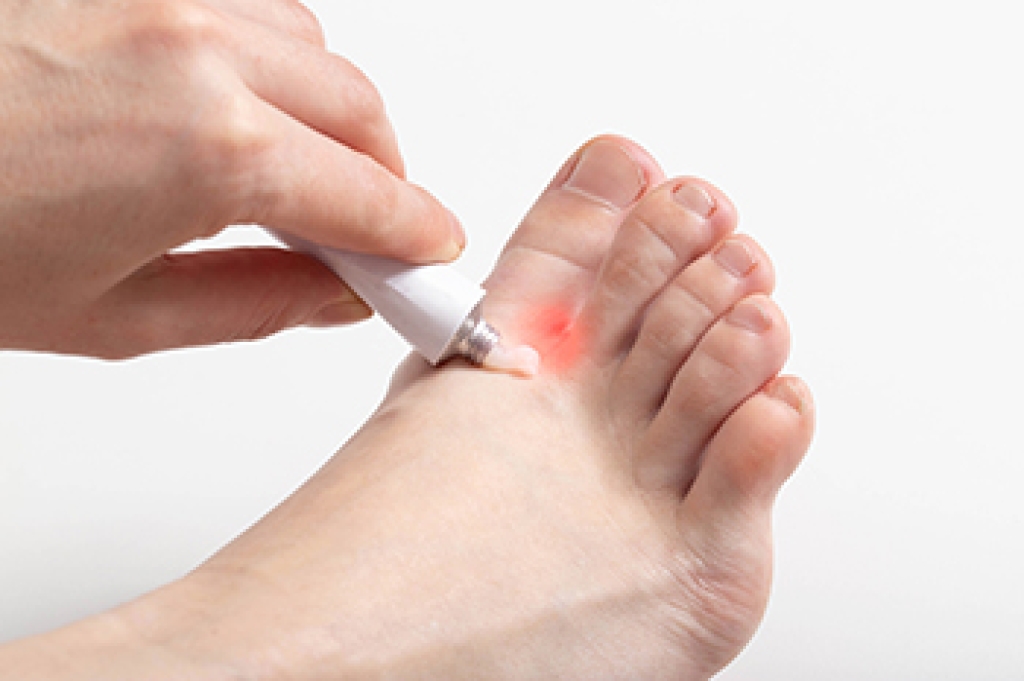
Athlete’s foot is a fungal skin infection that begins between the toes. The fungus grows in warm, damp places and can spread through contact with contaminated surfaces. Locker-room floors, showers, and pool areas are sources of exposure. Shoes that trap heat and moisture can create conditions that allow fungus to grow. Symptoms include itching, burning, and peeling skin. The affected area may also become red, cracked, or sore. Some infections spread across the sole or along the sides of the foot. Small, fluid-filled blisters can appear in certain cases.

Although an athlete’s foot infection can seem minor, it should not be ignored. Cracks in the skin can allow bacteria to enter and cause a serious infection. This risk is greater for patients with diabetes, poor circulation, or a weakened immune system. Athlete’s foot can also spread to the toenails, hands, or other areas of the body. Because eczema and other skin problems can cause similar symptoms, an accurate diagnosis is important. A podiatrist can examine the skin and determine whether a fungal infection is present. In some cases, a small skin sample is tested to confirm the cause.

A podiatrist can recommend treatment based on the location and severity of the infection. The podiatrist can also check for nail involvement, bacterial infection, or skin damage that requires closer attention. Guidance can be provided on keeping the feet dry and reducing the chance of another infection. This includes choosing breathable shoes, changing damp socks, and protecting the feet in shared bathing areas. Shoes should fit properly and allow enough room around the toes. Patients should seek prompt care when symptoms keep returning or begin to spread. Swelling, drainage, or increasing pain also requires professional evaluation. Early diagnosis can shorten the infection and help protect the surrounding skin and nails. If you have symptoms of an athlete’s foot infection, it is important that you schedule an appointment with a podiatrist effective relief and treatment solutions.

Athlete’s Foot

Athlete’s foot is often an uncomfortable condition to experience. Thankfully, podiatrists specialize in treating athlete’s foot and offer the best treatment options. If you have any questions about athlete’s foot, consult with one of our podiatrists from South Jersey Foot & Ankle Institute. Our doctors will assess your condition and provide you with quality treatment.

What Is Athlete’s Foot?

Tinea pedis, more commonly known as athlete’s foot, is a non-serious and common fungal infection of the foot. Athlete’s foot is contagious and can be contracted by touching someone who has it or infected surfaces. The most common places contaminated by it are public showers, locker rooms, and swimming pools. Once contracted, it grows on feet that are left inside moist, dark, and warm shoes and socks.

Prevention

The most effective ways to prevent athlete’s foot include:

  • Thoroughly washing and drying feet
  • Avoid going barefoot in locker rooms and public showers
  • Using shower shoes in public showers
  • Wearing socks that allow the feet to breathe
  • Changing socks and shoes frequently if you sweat a lot

Symptoms

Athlete’s foot initially occurs as a rash between the toes. However, if left undiagnosed, it can spread to the sides and bottom of the feet, toenails, and if touched by hand, the hands themselves. Symptoms include:

  • Redness
  • Burning
  • Itching
  • Scaly and peeling skin

Diagnosis and Treatment

Diagnosis is quick and easy. Skin samples will be taken and either viewed under a microscope or sent to a lab for testing. Sometimes, a podiatrist can diagnose it based on simply looking at it. Once confirmed, treatment options include oral and topical antifungal medications.

If you have any questions, please feel free to contact our office located in Mullica Hill, NJ . We offer the newest diagnostic and treatment technologies for all your foot care needs.
Read more about Athlete's Foot

Get Professional Care for a Broken Foot or Ankle

Constant care and regular evaluation are important for a foot or ankle fracture. If left untreated, foot or ankle fractures can worsen over time and create more serious problems.

Don't wait to be examined if you believe you've experienced a foot or ankle fracture.

What Causes a Broken Toe?

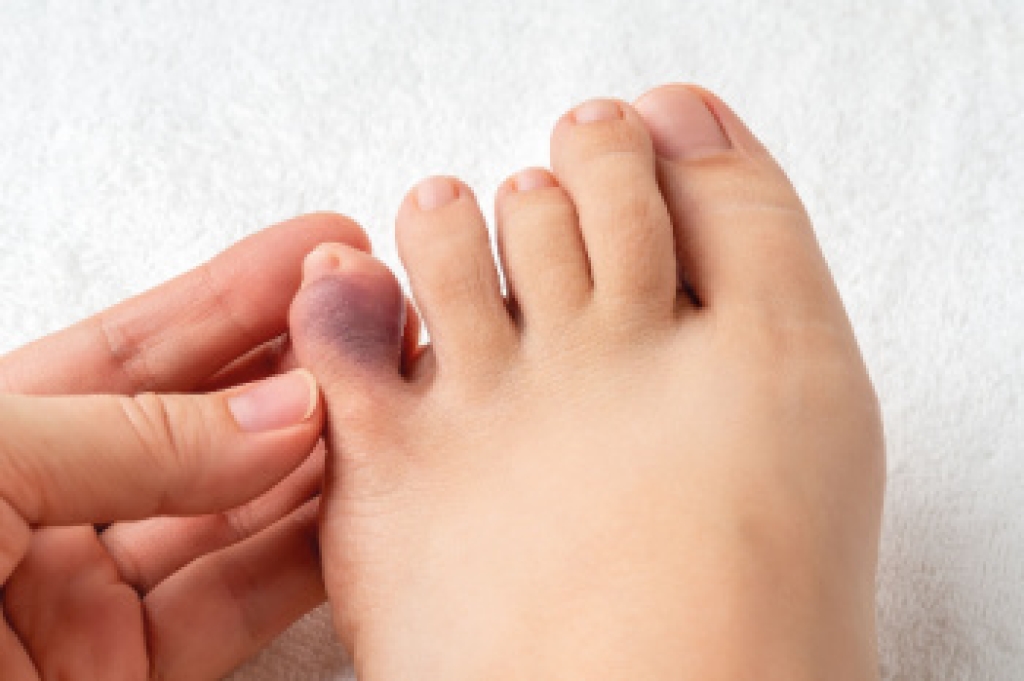
A broken toe is a fracture in one of the small bones of the toe. It can happen after a direct injury, such as stubbing your toe against furniture or dropping something heavy on your foot. A toe fracture can also develop from repetitive stress that gradually cracks the bone. Symptoms may include severe pain, swelling, and difficulty walking. Some fractures cause the toe to look crooked or change shape. Even when the injury seems minor, a broken toe should be evaluated because untreated fractures can heal improperly and affect normal movement.

Several factors can increase the risk of a broken toe. Athletes may be more vulnerable because running and jumping place repeated stress on the feet. People with weak bones may also have a higher fracture risk. Repetitive stress fractures can occur when activity increases too quickly or the foot does not have enough time to recover. Recognizing these risks can help you respond sooner when toe pain develops.


A podiatrist will begin by examining the injured toe and asking how the injury occurred. An X-ray may be used to confirm a fracture and determine its location. A stable fracture may be treated with buddy taping, supportive footwear, and reduced activity. A more serious fracture may require realignment or additional treatment. A podiatrist will monitor healing and provide guidance about protecting the toe while the bone repairs itself. Following these recommendations can reduce complications and support a safe return to normal activity.


Do not ignore severe toe pain, swelling, or difficulty walking after an injury. Prompt care can help identify the problem and prevent improper healing. If repetitive stress is causing discomfort, early evaluation may also help prevent a small crack from becoming a larger fracture. If you have broken a toe, it is suggested that you promptly consult a podiatrist who can accurately diagnose and treat this condition. 

Broken toes may cause a lot of pain and should be treated as soon as possible. If you have any concerns about your feet, contact one of our podiatrists from South Jersey Foot & Ankle Institute. Our doctors will treat your foot and ankle needs.

What Is a Broken Toe?

A broken toe occurs when one or more of the toe bones of the foot are broken after an injury. Injuries such as stubbing your toe or dropping a heavy object on it may cause a toe fracture.

Symptoms of a Broken Toe

  • Swelling
  • Pain (with/without wearing shoes)
  • Stiffness
  • Nail Injury

Although the injured toe should be monitored daily, it is especially important to have a podiatrist look at your toe if you have severe symptoms. Some of these symptoms include worsening or new pain that is not relieved with medication, sores, redness, or open wounds near the toe.

If you have any questions please feel free to contact our office located in Mullica Hill, NJ . We offer the newest diagnostic tools and technology to treat your foot and ankle needs.

Read more about What to Know About a Broken Toe
scroll to top