Finding the Right Trail-Running Shoes for Your Feet

Trail running can be peaceful, exciting, and demanding on your feet. The right trail-running shoes can improve comfort and control when pavement gives way to dirt. Road-running shoes can work on a smooth park path, but they are not built for loose gravel, roots, or sharp rocks. Trail shoes have deeper tread for grip, stronger materials for protection, and a firmer base for stability. Some also have a rock plate, which is a thin layer inside the sole that shields the foot from pointed objects. It is important to choose a shoe that matches the ground you expect to cover.

Fit matters as much as trail type. Your toes need room to spread, yet your heel should stay secure on climbs and descents. A shoe that is too short can press the toes against the front, especially when running downhill. A loose shoe can let the foot slide and create painful rubbing. Cushioning should feel comfortable without making the shoe unstable. Heel-to-toe drop means the height difference between the heel and forefoot. A podiatrist can explain which drop, support level, and shoe shape best fit your feet and running style.

Light-trail shoes suit packed dirt and well-kept paths. Rugged-trail shoes provide more grip and protection on rocky or muddy routes. Off-trail models are built for rough ground where stability matters most. No shoe prevents every injury, so notice pain, numbness, or repeated blisters. A podiatrist can examine your feet, study how you run, and identify problems that affect shoe choice. The foot doctor can also recommend inserts made for your needs and guide a safe return to running after an injury. Bring your current running shoes because their wear pattern can offer useful clues. If you have foot pain after trail running, it is suggested that you schedule an appointment with a podiatrist for effective treatment tips and guidance on what shoes to purchase.

If you are a runner, wearing the right running shoe is essential. For more information, contact one of our podiatrists from South Jersey Foot & Ankle Institute. Our doctors can provide the care you need to keep you pain-free and on your feet.

Choosing the Right Running Shoe for Your Foot Type

To increase performance and avoid the risk of injury, it is important to choose the right running shoe based on your foot type. The general design of running shoes revolves around pronation, which is how the ankle rolls from outside to inside when the foot strikes the ground.

  • Neutral runners are able to choose from a wide variety of shoes, including minimalist shoes or even going barefoot.
  • Runners who overpronate, or experience an over-abundance of ankle rolling, should choose shoes that provide extra motion control and stability.
  • Runners who underpronate, or supinate, have feet that have high arches and lack flexibility, preventing shock absorption. They require shoes with more flexibility and cushion.

If you have any questions, please feel free to contact our office located in Mullica Hill, NJ . We offer the newest diagnostic and treatment technologies for all your foot care needs.

Read more about Choosing the Right Running Shoe

Restaurant Jobs Serve Up Pressure on the Feet

Restaurant workers spend much of each shift standing, walking, and turning quickly on hard floors. These demands can place stress on the heels, arches, and balls of the feet. Fast movement also raises the risk of strains and falls on wet or greasy surfaces. Foot pain in restaurant workers often begins as a dull ache after work, then becomes sharper or persistent. Other warning signs include swelling, numbness, and burning. Pain can change the way a worker stands or walks, placing added strain on the ankles, knees, and lower back.

Shoes play an important role in safety and foot comfort. Restaurant workers should choose shoes with slip-resistant soles, firm arch support, and a secure heel. A proper fit helps prevent rubbing, pressure spots, and painful blisters. However, even well-made work shoes can lose cushioning and support with use. Long shifts can contribute to heel pain, arch strain, or irritation of the thick band of tissue along the bottom of the foot. This tissue is called the plantar fascia. Symptoms should not be ignored when they continue between shifts or interfere with movement.

A podiatrist can determine why the pain is developing and check for problems related to foot shape, joint movement, or nerve health. The examination can include an assessment of how the patient stands and walks. Imaging tests can help identify a fracture or joint damage when the doctor suspects a deeper injury. Treatment options include custom orthotics, padding, or changes to work shoes. A podiatrist can also recommend ways to reduce pressure on painful areas while maintaining workplace safety. Early care can prevent a minor problem from becoming harder to manage and help restaurant workers remain active on the job. If you have foot pain from working on your feet, it is suggested that you schedule an appointment with a podiatrist for effective relief tips, and guidance on choosing shoes for your workday.

While working on the feet, it is important to take the proper care of them. For more information about working on your feet, contact one of our podiatrists from South Jersey Foot & Ankle Institute. Our doctors will treat your foot and ankle needs.

Working on Your Feet

Standing on your feet for long periods of time can cause stress and pain in your feet. Your whole body may experience change in terms of posture, back pain, bunions, callouses and or plantar warts. There are ways to avoid these conditions with proper foot care, smart choices and correct posture.

Positive Changes

Negative heeled shoe – Choosing this shoe type places the heel slightly lower than the ball of the foot. These are great for overall foot health. Find shoes that fit you correctly.

Go barefoot – Our feet were not designed to be enclosed for all hours of the day. Try to periodically expose your feet to air.

Eliminate Pain

Foot Exercises – Performing simple exercises, incorporating yoga and doing stretches are beneficial. This will allow increased blood flow to the area and muscles of the foot.

Achilles tendon – Stretching the foot out flat on the floor will relax the calf muscles and tendon. These exercises can be performed almost anywhere. Make sure you add these exercises to your daily regimen. 

With a little bit of this information and knowing more about foot health, you will notice changes. Foot stretches and proper footwear will help with pain and prevent further issues.

If you have any questions please contact our office located in Mullica Hill, NJ . We offer the newest diagnostic and treatment technologies for all your foot and ankle needs.

Read more about How to Handle a Long Work Day on Your Feet

What Causes Toenail Fungus and How Is It Treated?

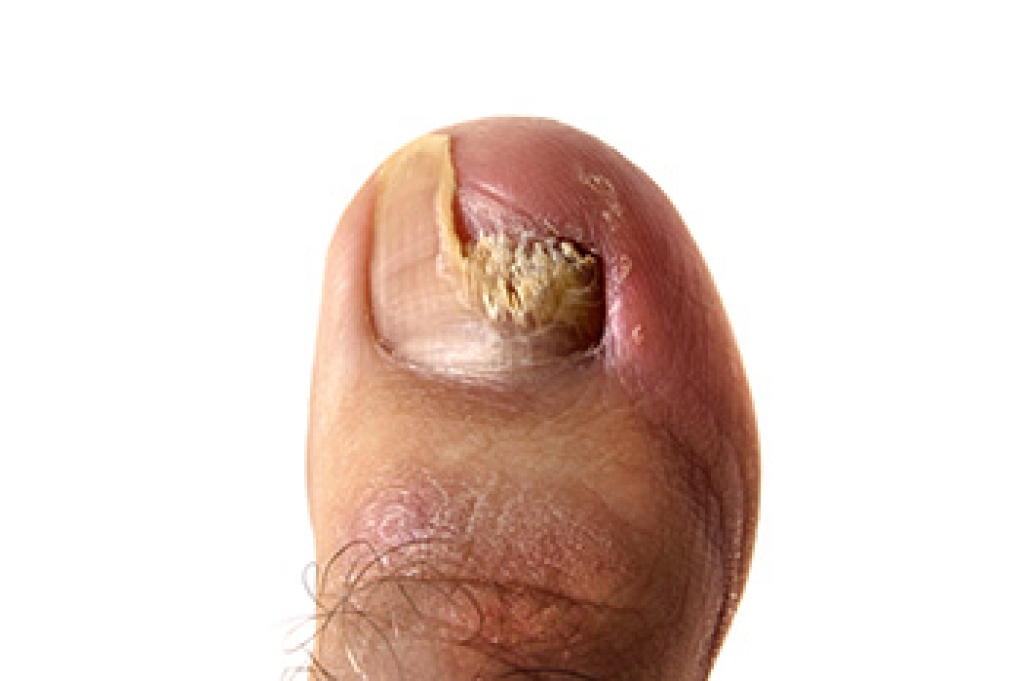
Toenails are affected more frequently than fingernails by fungus. The infection can cause a nail to become thick, discolored, or misshapen. It can also make the nail brittle or cause it to separate from the nail bed. Fungi grow well in warm, moist environments. Public showers, pool decks, and similar areas can expose feet to organisms that cause fungal infections.

Several factors can increase the risk of toenail fungus. Aging, diabetes, and athlete’s foot are linked with greater risk. Repeated minor injury to the nail can also allow fungi to enter. The infection frequently affects one or both big toenails and can take a long time to clear because toenails grow slowly. Not every abnormal-looking nail has a fungal infection. Nail changes can result from other conditions, which makes an accurate diagnosis important before treatment begins. Advanced infections can cause pain and damage to the nail.

A podiatrist can examine a discolored or thickened toenail and determine whether fungus is responsible. Testing a nail sample can help confirm the diagnosis because appearance alone is not always reliable. Treatment depends on the severity of the infection. Prescription antifungal medication can be applied to the nail or taken by mouth. A podiatrist can also thin and trim an affected nail to reduce pressure and support treatment. Patients with diabetes or poor circulation require careful attention because severe infections can lead to sores or additional infection. Toenail fungus can return after successful treatment, so follow-up care can help monitor the nail as healthy growth appears. If you have symptoms of toenail fungus, it is suggested that you schedule an appointment with a podiatrist for a diagnosis and appropriate treatment, which may include prescribed medication.

If left untreated, toenail fungus may spread to other toenails, skin, or even fingernails. If you suspect you have toenail fungus it is important to seek treatment right away. For more information about treatment, contact one of our podiatrists of South Jersey Foot & Ankle Institute. Our doctors can provide the care you need to keep you pain-free and on your feet.

Symptoms

  • Warped or oddly shaped nails
  • Yellowish nails
  • Loose/separated nail
  • Buildup of bits and pieces of nail fragments under the nail
  • Brittle, broken, thickened nail

Treatment

If self-care strategies and over-the-counter medications does not help your fungus, your podiatrist may give you a prescription drug instead. Even if you find relief from your toenail fungus symptoms, you may experience a repeat infection in the future.

Prevention

In order to prevent getting toenail fungus in the future, you should always make sure to wash your feet with soap and water. After washing, it is important to dry your feet thoroughly especially in between the toes. When trimming your toenails, be sure to trim straight across instead of in a rounded shape. It is crucial not to cover up discolored nails with nail polish because that will prevent your nail from being able to “breathe”.

In some cases, surgical procedure may be needed to remove the toenail fungus. Consult with your podiatrist about the best treatment options for your case of toenail fungus.  

If you have any questions please contact our office located in Mullica Hill, NJ . We offer the newest diagnostic and treatment technologies for all your foot and ankle needs.

Read more about How to Treat Your Toenail Fungus

We Can Treat Your Foot or Ankle Pain

Foot or ankle pain can negatively affect your day-to-day life and can occur due to several different conditions. Pain can also be an indicator of a more serious underlying condition, which is why you should seek professional help as soon as you notice any abnormalities in your feet.

When Offloading Is Essential for Healing Foot Wounds

Offloading in wound care is an important part of helping foot wounds heal. Offloading means reducing pressure on the injured area so the skin and tissue have a better chance to recover. Every step places force on the feet, especially on the bottom of the foot. When pressure continues on an open wound, healing slows and the wound can become larger or deeper. Patients with diabetes, poor circulation, or reduced feeling in their feet face an even greater risk because they may not notice the damage while walking. A podiatrist carefully examines the wound, identifies the source of pressure, and develops a treatment plan that protects the injured area while supporting healing. Offloading also helps lower the chance of repeated injury that can delay recovery.

A podiatrist selects the best offloading method based on the wound's location, the shape of the foot, and the patient's daily activities. Options include specialized walking boots, custom shoe inserts, or protective shoes that spread body weight more evenly across the foot. Some patients benefit from casts or other devices that limit pressure on the wound while walking. A podiatrist also checks for foot deformities, calluses, and areas of excess pressure. The wound is routinely measured and examined for progress. The treatment plan can be adjusted whenever healing slows or new pressure points develop.

Offloading works together with wound treatment by protecting healthy tissue and helping new tissue develop. A podiatrist also monitors circulation, watches for signs of infection, and recommends the most appropriate shoes to reduce future problems. Early treatment gives many patients the best opportunity for healing before a wound becomes more serious. Careful offloading also helps lower stress on nearby skin and reduces the chance of another wound developing in the same area. If you have foot wounds that will not heal, it is suggested that you are under the care of a podiatrist who can offer effective treatment and management solutions.

Wound care is an important part in dealing with diabetes. If you have diabetes and a foot wound or would like more information about wound care for diabetics, consult with one of our podiatrists from South Jersey Foot & Ankle Institute. Our doctors will assess your condition and provide you with quality foot and ankle treatment.

What Is Wound Care?

Wound care is the practice of taking proper care of a wound. This can range from the smallest to the largest of wounds. While everyone can benefit from proper wound care, it is much more important for diabetics. Diabetics often suffer from poor blood circulation which causes wounds to heal much slower than they would in a non-diabetic. 

What Is the Importance of Wound Care?

While it may not seem apparent with small ulcers on the foot, for diabetics, any size ulcer can become infected. Diabetics often also suffer from neuropathy, or nerve loss. This means they might not even feel when they have an ulcer on their foot. If the wound becomes severely infected, amputation may be necessary. Therefore, it is of the upmost importance to properly care for any and all foot wounds.

How to Care for Wounds

The best way to care for foot wounds is to prevent them. For diabetics, this means daily inspections of the feet for any signs of abnormalities or ulcers. It is also recommended to see a podiatrist several times a year for a foot inspection. If you do have an ulcer, run the wound under water to clear dirt from the wound; then apply antibiotic ointment to the wound and cover with a bandage. Bandages should be changed daily and keeping pressure off the wound is smart. It is advised to see a podiatrist, who can keep an eye on it.

If you have any questions please contact our office located in Mullica Hill, NJ . We offer the newest diagnostic and treatment technologies for all your foot and ankle needs.

Read more about Wound Care
scroll to top