Blog
Items filtered by date: December 2025
Reasons for Having Bunion Surgery
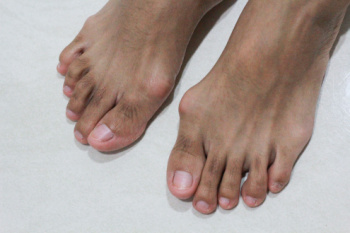
A bunion can lead to steady pain at the base of the big toe, especially when the bump grows larger as the toe shifts toward the second toe. When wider shoes or protective pads no longer reduce discomfort, surgery to correct the deformity may be considered. Reasons for choosing bunion surgery include pain that interferes with daily movement, difficulty walking more than short distances, or swelling around the big toe joint that does not improve with rest. Some people also struggle to bend or straighten the toe because the joint becomes too stiff. Surgery helps realign the bones of the big toe and reduce the bony prominence so the foot can function more comfortably. A podiatrist can assess the size and severity of the bunion and recommend the best plan for relief. If you have a painful bunion, it is suggested that you make an appointment with a podiatrist for a diagnosis and treatment.
If you are suffering from bunions, contact one of our podiatrists of South Jersey Foot & Ankle Institute. Our doctors can provide the care you need to keep you pain-free and on your feet.
What Is a Bunion?
A bunion is formed of swollen tissue or an enlargement of boney growth, usually located at the base joint of the toe that connects to the foot. The swelling occurs due to the bones in the big toe shifting inward, which impacts the other toes of the foot. This causes the area around the base of the big toe to become inflamed and painful.
Why Do Bunions Form?
Genetics – Susceptibility to bunions are often hereditary
Stress on the feet – Poorly fitted and uncomfortable footwear that places stress on feet, such as heels, can worsen existing bunions
How Are Bunions Diagnosed?
Podiatrists often perform two tests – blood tests and x-rays – when trying to diagnose bunions, especially in the early stages of development. Blood tests help determine if the foot pain is being caused by something else, such as arthritis, while x-rays provide a clear picture of your bone structure to your provider.
How Are Bunions Treated?
- Refrain from wearing heels or similar shoes that cause discomfort
- Select wider shoes that can provide more comfort and reduce pain
- Anti-inflammatory and pain management drugs
- Orthotics or foot inserts
- Surgery
If you have any questions, please feel free to contact our office located in Mullica Hill, NJ . We offer the newest diagnostic and treatment technologies for all your foot care needs.
How High Arches Affect Foot Health
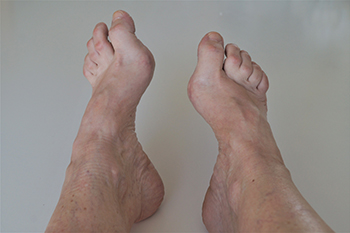
High arches can place added stress on the feet because they sit higher off the ground and are not able to lower enough to absorb shock. This often makes the heel tilt inward, which can shift weight toward the outer edge of the foot and the base of the big toe. When this area takes too much pressure, pain can develop under the big toe joint, including irritation of the tiny sesamoid bones beneath it. The midfoot is usually stiff in people with high-arched feet, which forces the tendons along the outer ankle to work harder and raises the risk of irritation in that region. The inward tilt of the heel can also increase pressure on the inner side of the ankle joint. A podiatrist can evaluate foot shape, recommend shoes or inserts that provide adequate support, and discuss whether surgery is needed to solve the problem. If you have high arches that are causing pain, it is suggested that you make an appointment with a podiatrist for a diagnosis and treatment options.
If you have any concerns about your feet, contact one of our podiatrists from South Jersey Foot & Ankle Institute. Our doctors can provide the care you need to keep you pain-free and on your feet.
Biomechanics in Podiatry
Podiatric biomechanics is a particular sector of specialty podiatry with licensed practitioners who are trained to diagnose and treat conditions affecting the foot, ankle and lower leg. Biomechanics deals with the forces that act against the body, causing an interference with the biological structures. It focuses on the movement of the ankle, the foot and the forces that interact with them.
A History of Biomechanics
- Biomechanics dates back to the BC era in Egypt where evidence of professional foot care has been recorded.
- In 1974, biomechanics gained a higher profile from the studies of Merton Root, who claimed that by changing or controlling the forces between the ankle and the foot, corrections or conditions could be implemented to gain strength and coordination in the area.
Modern technological improvements are based on past theories and therapeutic processes that provide a better understanding of podiatric concepts for biomechanics. Computers can provide accurate information about the forces and patterns of the feet and lower legs.
Understanding biomechanics of the feet can help improve and eliminate pain, stopping further stress to the foot.
If you have any questions please feel free to contact our office located in Mullica Hill, NJ . We offer the newest diagnostic and treatment technologies for all your foot and ankle needs.
Ingrown Toenails and Foot Health
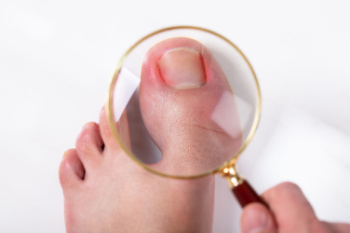
An ingrown toenail occurs when the edge of the toenail grows into the surrounding skin, causing pain, redness, swelling, and sometimes infection. Common causes include trimming the nails improperly, wearing poorly fitting shoes that place pressure on the toes, or sustaining an injury to the nail. Left untreated, ingrown toenails can become increasingly painful and lead to serious infections. A podiatrist can evaluate the toenail, provide professional treatment to relieve discomfort, remove part of the nail, if necessary, and offer guidance on proper nail care and footwear to prevent recurrence. If you have pain or swelling from an ingrown toenail, it is suggested that you promptly schedule a visit with a podiatrist who can provide effective relief solutions, which may include minor surgery for removal.
Ingrown toenails can become painful if they are not treated properly. For more information about ingrown toenails, contact one of our podiatrists of South Jersey Foot & Ankle Institute. Our doctors can provide the care you need to keep you pain-free and on your feet.
Ingrown Toenails
Ingrown toenails occur when a toenail grows sideways into the bed of the nail, causing pain, swelling, and possibly infection.
Causes
- Bacterial infections
- Improper nail cutting such as cutting it too short or not straight across
- Trauma to the toe, such as stubbing, which causes the nail to grow back irregularly
- Ill-fitting shoes that bunch the toes too close together
- Genetic predisposition
Prevention
Wearing proper fitting shoes and using proper cutting techniques will also help decrease your risk of developing ingrown toenails.
Treatment
Ingrown toenails are a very treatable foot condition. In minor cases, soaking the affected area in salt or antibacterial soaps will not only help with the ingrown nail itself, but also help prevent any infections from occurring. In more severe cases, surgery is an option. In either case, speaking to your podiatrist about this condition will help you get a better understanding of specific treatment options that are right for you.
If you have any questions, please feel free to contact our office located in Mullica Hill, NJ . We offer the newest diagnostic and treatment technologies for all your foot care needs.
Why Live with Pain and Numbness in Your Feet?
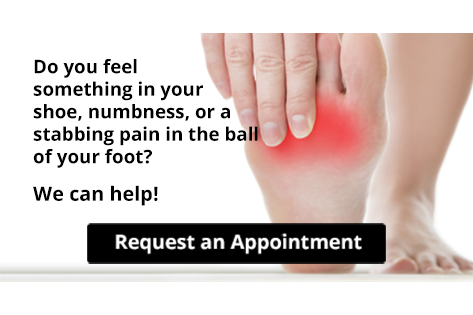
Suffering from this type of pain? You may have the foot condition known as Morton's neuroma. Morton's neuroma may develop as a result of ill-fitting footwear and existing foot deformities. We can help.
How to Strengthen Flat Feet
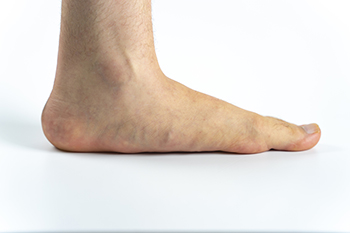
Flat feet occur when the arches of the feet collapse, causing the entire sole to touch the ground. Some people have flexible flat feet where the arch appears when not standing, while others have rigid flat feet where the arch remains flat at all times. Helpful exercises include toe curls, heel raises, and arch lifts to build foot strength and improve support. Massaging the peroneal muscles along the outer lower leg can also reduce tension and improve stability. A podiatrist can evaluate your foot structure, provide targeted treatment, and recommend custom orthotics to support proper alignment. If you have any discomfort from having flat feet, it is suggested that you consult a podiatrist who can offer effective relief, which may include additional foot stretches.
Exercising your feet regularly with the proper foot wear is a great way to prevent injuries and build strength. If you have any concerns about your feet, contact one of our podiatrists from South Jersey Foot & Ankle Institute. Our doctors can provide the care you need to keep you pain-free and on your feet.
Exercise for Your Feet
Exercise for your feet can help you gain strength, mobility and flexibility in your feet. They say that strengthening your feet can be just as rewarding as strengthening another part of the body. Your feet are very important, and we often forget about them in our daily tasks. But it is because of our feet that are we able to get going and do what we need to. For those of us fortunate enough to not have any foot problems, it is an important gesture to take care of them to ensure good health in the long run.
Some foot health exercises can include ankle pumps, tip-toeing, toe rises, lifting off the floor doing reps and sets, and flexing the toes. It is best to speak with Our doctors to determine an appropriate regimen for your needs. Everyone’s needs and bodies are different, and the activities required to maintain strength in the feet vary from individual to individual.
Once you get into a routine of doing regular exercise, you may notice a difference in your feet and how strong they may become.
If you have any questions, please feel free to contact our office located in Mullica Hill, NJ . We offer the newest diagnostic and treatment technologies for all your foot care needs.
Understanding Cuboid Pain in Runners
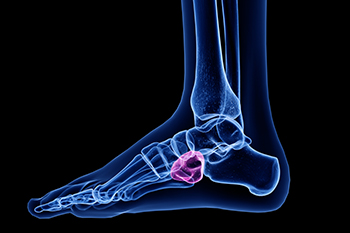
The cuboid is a small but important bone on the outer side of the foot, and with every stride, running places steady pressure along this area. When the cuboid becomes irritated or slightly displaced from repetitive impact or sudden changes in training, runners may feel a sharp ache along the outer midfoot. This discomfort can grow worse during push-off or when navigating uneven ground. Some people notice swelling or a sense that the foot feels weak or unstable. Supportive shoes, gentle stretching, and reducing mileage can offer early relief, but symptoms that do not improve should be taken seriously. A podiatrist can evaluate the cuboid’s position, identify soft tissue irritation, and provide treatments that restore comfort and alignment. If pain along the outer foot continues during or after runs, it is suggested that you see a podiatrist for proper assessment and guidance.
Cuboid syndrome, also known as cuboid subluxation, occurs when the joints and ligaments near the cuboid bone in the foot become torn. If you have cuboid syndrome, consult with one of our podiatrists from South Jersey Foot & Ankle Institute. Our doctors will assess your condition and provide you with quality foot and ankle treatment.
Cuboid syndrome is a common cause of lateral foot pain, which is pain on the outside of the foot. The condition may happen suddenly due to an ankle sprain, or it may develop slowly overtime from repetitive tension through the bone and surrounding structures.
Causes
The most common causes of cuboid syndrome include:
- Injury – The most common cause of this ailment is an ankle sprain.
- Repetitive Strain – Tension placed through the peroneus longus muscle from repetitive activities such as jumping and running may cause excessive traction on the bone causing it to sublux.
- Altered Foot Biomechanics – Most people suffering from cuboid subluxation have flat feet.
Symptoms
A common symptom of cuboid syndrome is pain along the outside of the foot which can be felt in the ankle and toes. This pain may create walking difficulties and may cause those with the condition to walk with a limp.
Diagnosis
Diagnosis of cuboid syndrome is often difficult, and it is often misdiagnosed. X-rays, MRIs and CT scans often fail to properly show the cuboid subluxation. Although there isn’t a specific test used to diagnose cuboid syndrome, your podiatrist will usually check if pain is felt while pressing firmly on the cuboid bone of your foot.
Treatment
Just as the range of causes varies widely, so do treatments. Some more common treatments are ice therapy, rest, exercise, taping, and orthotics.
If you have any questions, please feel free to contact our office located in Mullica Hill, NJ . We offer the newest diagnostic and treatment technologies for all your foot care needs.

