Blog
Items filtered by date: November 2025
Causes of Foot Stress Fractures
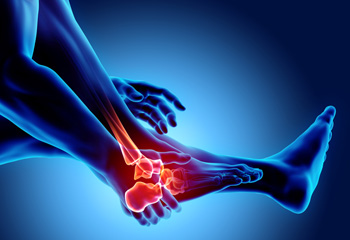
Foot stress fractures are small cracks in the bones of the foot caused by repeated pressure or overuse. Unlike acute fractures, they develop gradually and often begin with mild discomfort that worsens over time. Symptoms include localized pain, swelling, and tenderness that increase with activity. These fractures are common in repetitive running activity, and are often called march fractures because they frequently occur among newly recruited soldiers during intense training. A podiatrist can diagnose stress fractures through an examination and imaging tests, provide proper rest and support, and recommend footwear or custom orthotics to reduce pressure on the foot. If you have persistent foot pain, it is suggested that you consult a podiatrist who can accurately diagnose and treat what the problem.
Activities where too much pressure is put on the feet can cause stress fractures. To learn more, contact one of our podiatrists from South Jersey Foot & Ankle Institute. Our doctors can provide the care you need to keep your pain free and on your feet.
Dealing with Stress Fractures of the Foot and Ankle
Stress fractures occur in the foot and ankle when muscles in these areas weaken from too much or too little use. The feet and ankles then lose support when walking or running from the impact of the ground. Since there is no protection, the bones receive the full impact of each step. Stress on the feet can cause cracks to form in the bones, thus creating stress fractures.
What Are Stress Fractures?
Stress fractures occur frequently in individuals whose daily activities cause great impact on the feet and ankles. Stress factors are most common among:
- Runners
- People affected with Osteoporosis
- Tennis or basketball players
- Gymnasts
- High impact workouts
Symptoms
Pain from the fractures occur in the area of the fractures and can be constant or intermittent. It will often cause sharp or dull pain with swelling and tenderness. Engaging in any kind of activity which involves high impact will aggravate pain.
If you have any questions please contact our office located in Mullica Hill, NJ . We offer the newest diagnostic and treatment technologies for all your foot and ankle needs.
Causes and Symptoms of Morton’s Neuroma
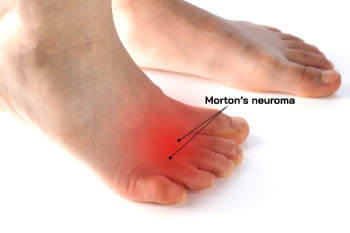
Morton’s neuroma develops when the tissue surrounding a nerve between the toes thickens. Morton’s neuroma most often affects the nerves between the third and fourth toes. This thickening compresses the nerve, causing sharp, burning pain or tingling that spreads from the ball of the foot into the toes. Many people describe it as feeling like a pebble trapped beneath the foot. The condition often results from excessive pressure or friction caused by wearing tight shoes, high heels, or frequent use of footwear that lacks adequate support. Foot deformities like bunions, hammertoes, or flat feet can also increase strain on the forefoot and irritate the nerve. A podiatrist can assess the nerve, confirm the diagnosis through imaging, if needed, and recommend suitable treatment or surgery when appropriate. If you have pain in the ball of the foot, it is suggested that you schedule an appointment with a podiatrist for a diagnosis and appropriate treatment options.
Morton’s neuroma is a very uncomfortable condition to live with. If you think you have Morton’s neuroma, contact one of our podiatrists of South Jersey Foot & Ankle Institute. Our doctors will attend to all of your foot care needs and answer any of your related questions.
Morton’s Neuroma
Morton's neuroma is a painful foot condition that commonly affects the areas between the second and third or third and fourth toe, although other areas of the foot are also susceptible. Morton’s neuroma is caused by an inflamed nerve in the foot that is being squeezed and aggravated by surrounding bones.
What Increases the Chances of Having Morton’s Neuroma?
- Ill-fitting high heels or shoes that add pressure to the toe or foot
- Jogging, running or any sport that involves constant impact to the foot
- Flat feet, bunions, and any other foot deformities
Morton’s neuroma is a very treatable condition. Orthotics and shoe inserts can often be used to alleviate the pain on the forefront of the feet. In more severe cases, corticosteroids can also be prescribed. In order to figure out the best treatment for your neuroma, it’s recommended to seek the care of a podiatrist who can diagnose your condition and provide different treatment options.
If you have any questions, please feel free to contact our office located in Mullica Hill, NJ . We offer the newest diagnostic and treatment technologies for all your foot care needs.
When to Choose Surgery for Hammertoe
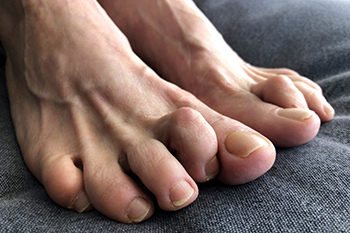
Surgery to correct hammertoe is often considered when the condition causes persistent pain, stiffness, or deformity that interferes with walking. A hammertoe occurs when the middle joint of a toe bends downward, often affecting the second toe. One common surgical method is phalangeal head resection, in which part of the bone at the joint is removed so the toe can lie flat. Tendons are released and repositioned to match the corrected alignment, and the toe is held in place with a wire or tape while it heals. In some cases, an implant may be used to replace the removed bone segment. Following hammertoe surgery, special shoes are usually required, and full recovery time varies depending on healing. Risks can include infection, swelling, numbness, and stiffness in the toe. A podiatrist can evaluate the severity of the deformity and recommend surgery, when necessary. If you are considering surgery for hammertoe, it is suggested that you schedule an appointment with a podiatrist for expert advice and guidance.
Hammertoe
Hammertoes can be a painful condition to live with. For more information, contact one of our podiatrists from South Jersey Foot & Ankle Institute. Our doctors will answer any of your foot- and ankle-related questions.
Hammertoe is a foot deformity that affects the joints of the second, third, fourth, or fifth toes of your feet. It is a painful foot condition in which these toes curl and arch up, which can often lead to pain when wearing footwear.
Symptoms
- Pain in the affected toes
- Development of corns or calluses due to friction
- Inflammation
- Redness
- Contracture of the toes
Causes
Genetics – People who are genetically predisposed to hammertoe are often more susceptible
Arthritis – Because arthritis affects the joints in your toes, further deformities stemming from arthritis can occur
Trauma – Direct trauma to the toes could potentially lead to hammertoe
Ill-fitting shoes – Undue pressure on the front of the toes from ill-fitting shoes can potentially lead to the development of hammertoe
Treatment
Orthotics – Custom made inserts can be used to help relieve pressure placed on the toes and therefore relieve some of the pain associated with it
Medications – Oral medications such as anti-inflammatories or NSAIDs could be used to treat the pain and inflammation hammertoes causes. Injections of corticosteroids are also sometimes used
Surgery – In more severe cases where the hammertoes have become more rigid, foot surgery is a potential option
If you have any questions, please feel free to contact our office located in Mullica Hill, NJ . We offer the newest diagnostic and treatment technologies for all your foot care needs.
Are You Suffering From Nerve Damage?

Neuropathy is a condition that can lead to numbness or loss of sensation in the feet, but it can also cause pain. This condition is more likely to develop for those who are diabetic, obese, or with high blood pressure.
How Rheumatoid Arthritis Affects the Feet
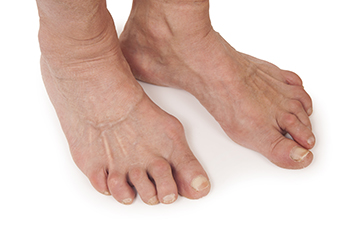
Rheumatoid arthritis can have a serious effect on the feet, often causing ongoing pain and changes in the way the joints move. The toes and the ball of the foot are frequently affected, leading to problems like bunions, claw-like toes, or joints that shift out of place. These changes can make walking difficult, and may create painful pressure spots or thickened skin on the bottom of the foot. The inflammation that comes with rheumatoid arthritis can weaken the support structures in the feet, which may lead to balance and instability problems. The ankles can also be strained by rheumatoid arthritis as the body tries to adjust to changes in posture and walking patterns. A podiatrist can evaluate these issues, help manage the discomfort, and discuss treatment options to improve mobility and reduce pain. If you have foot or ankle pain caused by rheumatoid arthritis, it is suggested that you schedule an appointment with a podiatrist for an exam and appropriate treatment.
Because RA affects more than just your joints, including the joints in your feet and ankles, it is important to seek early diagnosis from your podiatrist if you feel like the pain in your feet might be caused by RA. For more information, contact one of our podiatrists of South Jersey Foot & Ankle Institute. Our doctors will assist you with all of your podiatric concerns.
What Is Rheumatoid Arthritis?
Rheumatoid Arthritis (RA) is an autoimmune disorder in which the body’s own immune system attacks the membranes surrounding the joints. Inflammation of the lining and eventually the destruction of the joint’s cartilage and bone occur, causing severe pain and immobility.
Rheumatoid Arthritis of the Feet
Although RA usually attacks multiple bones and joints throughout the entire body, almost 90 percent of cases result in pain in the foot or ankle area.
Symptoms
- Swelling and pain in the feet
- Stiffness in the feet
- Pain on the ball or sole of feet
- Joint shift and deformation
Diagnosis
Quick diagnosis of RA in the feet is important so that the podiatrist can treat the area effectively. Your doctor will ask you about your medical history, occupation, and lifestyle to determine the origin of the condition. Rheumatoid Factor tests help to determine if someone is affected by the disease.
If you have any questions, please feel free to contact our office located in Mullica Hill, NJ . We offer the newest diagnostic and treatment technologies for all your foot care needs.

