Blog
Items filtered by date: February 2026
Why Ingrown Toenail Surgery May Be Necessary for Lasting Relief
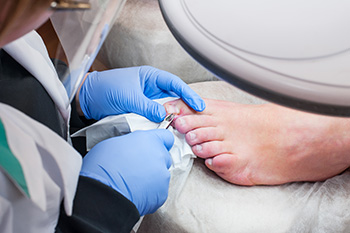
An ingrown toenail occurs when the edge of the nail grows into the surrounding skin, causing pain, redness, swelling, and sometimes infection. This condition most often affects the big toe and can worsen, if left untreated. When conservative care does not resolve the problem or when infection continues to return, ingrown toenail surgery may be necessary. The procedure involves carefully removing the portion of the nail that is causing irritation, and, in some cases, treating the nail root to prevent recurrence. A podiatrist performs this procedure safely and comfortably in an office setting while guiding proper healing. If you have persistent toe pain or infection from an ingrown toenail, it is suggested that you promptly consult a podiatrist who can determine if this type of surgery needs to be performed.
Foot surgery is sometimes necessary to treat a foot ailment. To learn more, contact one of our podiatrists of South Jersey Foot & Ankle Institute. Our doctors will assist you with all of your foot and ankle needs.
When Is Surgery Necessary?
Foot and ankle surgery is generally reserved for cases in which less invasive, conservative procedures have failed to alleviate the problem. Some of the cases in which surgery may be necessary include:
- Removing foot deformities like bunions and bone spurs
- Severe arthritis that has caused bone issues
- Cosmetic reconstruction
What Types of Surgery Are There?
The type of surgery you receive will depend on the nature of the problem you have. Some of the possible surgeries include:
- Bunionectomy for painful bunions
- Surgical fusion for realignment of bones
- Neuropathy decompression surgery to treat nerve damage
Benefits of Surgery
Although surgery is usually a last resort, it can provide more complete pain relief compared to non-surgical methods and may allow you to finally resume full activity.
Surgical techniques have also become increasingly sophisticated. Techniques like endoscopic surgery allow for smaller incisions and faster recovery times.
If you have any questions, please feel free to contact our office located in Mullica Hill, NJ . We offer the newest diagnostic and treatment technologies for all your foot care needs.
Heel Pain in Young Sports Enthusiasts
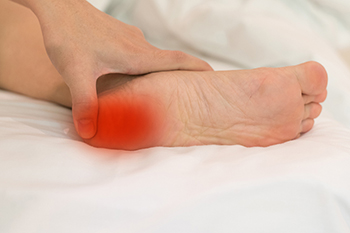
Heel pain in young athletes is often quickly labeled as Sever’s disease, but this diagnosis does not explain every case. Growing bodies experience many stresses, especially during sports that involve running and jumping. Heel pain can also come from plantar fascia irritation, Achilles tendon strain, stress reactions, wearing poor footwear, or training errors. Tight calf muscles and sudden increases in activity commonly contribute to the problem. A proper evaluation looks at age, growth patterns, activity level, and pain location. Physical examination assesses flexibility, strength, and tenderness, and imaging may be used to rule out fractures or other conditions. Accurate diagnosis matters because treatment varies. Some issues improve with rest and stretching, while others need targeted care. When heel pain persists, limits play, or keeps returning, it is suggested you seek evaluation by a podiatrist.
Sever's disease often occurs in children and teens. If your child is experiencing foot or ankle pain, see one of our podiatrists from South Jersey Foot & Ankle Institute. Our doctors can treat your child’s foot and ankle needs.
Sever’s Disease
Sever’s disease is also known as calcaneal apophysitis, which is a medical condition that causes heel pain I none or both feet. The disease is known to affect children between the ages of 8 and 14.
Sever’s disease occurs when part of the child’s heel known as the growth plate (calcaneal epiphysis) is attached to the Achilles tendon. This area can suffer injury when the muscles and tendons of the growing foot do not keep pace with bone growth. Therefore, the constant pain which one experiences at the back of the heel will make the child unable to put any weight on the heel. The child is then forced to walk on their toes.
Symptoms
Acute pain – Pain associated with Sever’s disease is usually felt in the heel when the child engages in physical activity such as walking, jumping and or running.
Highly active – Children who are very active are among the most susceptible in experiencing Sever’s disease, because of the stress and tension placed on their feet.
If you have any questions, please feel free to contact our office located in Mullica Hill, NJ . We offer the newest diagnostic and treatment technologies for all your foot care needs.
Is It a Hammertoe?
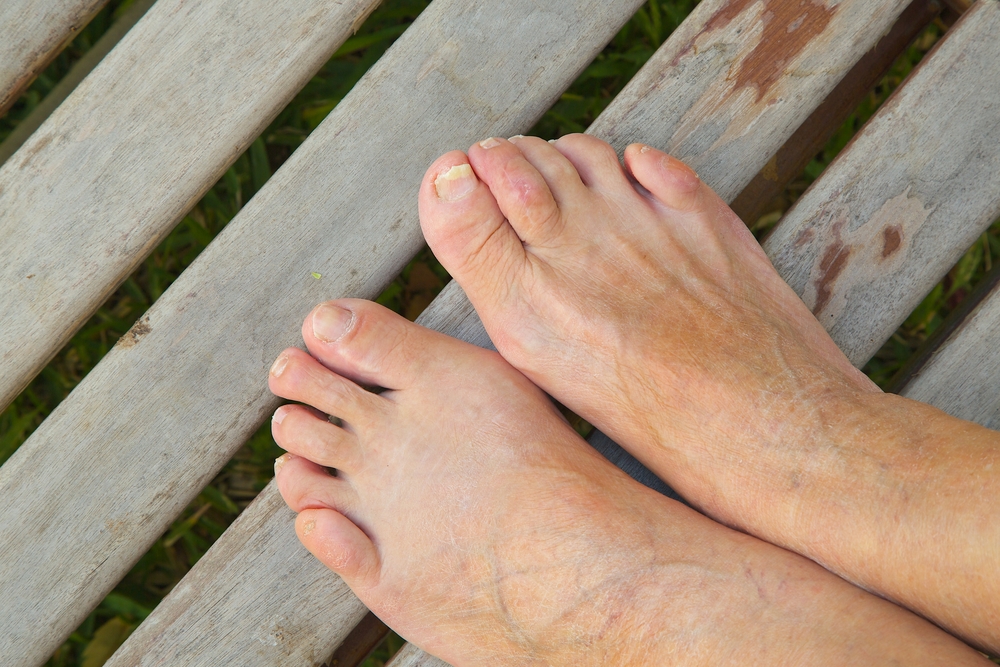
Hammertoes develop when the muscles and tendons that normally keep the toes straight fall out of balance, causing one or more toes to bend at the middle joint. This condition often begins quietly but may progress with symptoms, such as aching pain, stiffness, and skin irritation. Common signs include redness, corns, and calluses. Hammertoes may look curled or buckled, and the affected toe can rub painfully against shoes, making walking uncomfortable and footwear difficult to tolerate. Causes include inherited foot structure, improper footwear, arthritis, or long-term pressure on the toes. A podiatrist can help by first performing a thorough examination and imaging, if needed, to confirm the diagnosis and identify contributing factors. Treatment may begin with shoe modifications, padding, or custom orthotics to relieve pressure and improve alignment, and can progress to targeted exercises, medications, or corrective procedures when necessary. If you have a hammertoe, it is suggested that you make an appointment with a podiatrist.
Hammertoes can be a painful condition to live with. For more information, contact one of our podiatrists of South Jersey Foot & Ankle Institute. Our doctors will answer any of your foot- and ankle-related questions.
Hammertoe
Hammertoe is a foot deformity that occurs due to an imbalance in the muscles, tendons, or ligaments that normally hold the toe straight. It can be caused by the type of shoes you wear, your foot structure, trauma, and certain disease processes.
Symptoms
- Painful and/or difficult toe movement
- Swelling
- Joint stiffness
- Calluses/Corns
- Physical deformity
Risk Factors
- Age – The risk of hammertoe increases with age
- Sex – Women are more likely to have hammertoe compared to men
- Toe Length – You are more likely to develop hammertoe if your second toe is longer than your big toe
- Certain Diseases – Arthritis and diabetes may make you more likely to develop hammertoe
Treatment
If you have hammertoe, you should change into a more comfortable shoe that provides enough room for your toes. Exercises such as picking up marbles may strengthen and stretch your toe muscles. Nevertheless, it is important to seek assistance from a podiatrist in order to determine the severity of your hammertoe and see which treatment option will work best for you.
If you have any questions, please feel free to contact our office located in Mullica Hill, NJ . We offer the newest diagnostic and treatment technologies for all your foot care needs.
Are You Suffering From Ingrown Toenails?

If left untreated, an ingrown toenail can lead to more serious concerns, such as an infection. Knowing proper nail care can help in the prevention of an ingrown toenail. Give us a call, and get treated!
Why Do Corns Form and How Can They Be Treated?
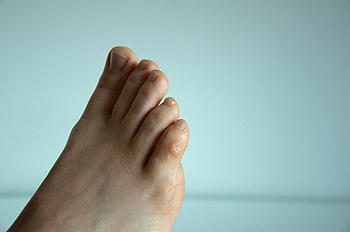
Corns are thickened areas of skin that develop when repeated pressure or friction causes the body to protect itself. They often form on toes or areas that rub against footwear or other toes, and they may feel painful when walking. Hard corns usually appear on the tops or sides of toes, while soft corns tend to develop between toes where moisture is present. Although corns may seem minor, they can worsen over time and interfere with gait. A podiatrist can identify the underlying cause, such as foot structure, abnormal pressure points, or improper footwear, and determine the exact type of corn present. Treatment of corns includes safe removal of thickened skin, pressure redistribution, and recommendations to reduce recurring friction. Addressing corns early can reduce ongoing discomfort. For help with safely managing a painful corn, it is suggested that you make an appointment with a podiatrist.
If you have any concerns regarding your feet and ankles, contact one of our podiatrists of South Jersey Foot & Ankle Institute. Our doctors will treat your foot and ankle needs.
Corns: What Are They? and How Do You Get Rid of Them?
Corns can be described as areas of the skin that have thickened to the point of becoming painful or irritating. They are often layers and layers of the skin that have become dry and rough, and are normally smaller than calluses.
Ways to Prevent Corns
There are many ways to get rid of painful corns such as wearing:
- Well-fitting socks
- Comfortable shoes that are not tight around your foot
- Shoes that offer support
Treating Corns
Treatment of corns involves removing the dead skin that has built up in the specific area of the foot. Consult with Our doctors to determine the best treatment option for your case of corns.
If you have any questions, please feel free to contact our office located in Mullica Hill, NJ . We offer the newest diagnostic and treatment technologies for all your foot care needs.

