Blog
Items filtered by date: January 2026
Toe Pain Caused by Capsulitis
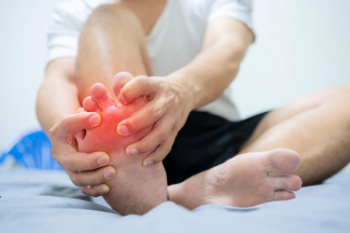
Toe pain caused by capsulitis occurs when the ligament that surrounds a toe joint becomes inflamed due to repeated stress or pressure. This problem most often affects the joint at the base of the second toe, where excessive load on the front of the foot can reduce joint stability. People may notice aching, swelling, stiffness, or pain that increases with walking or prolonged standing. Changes in foot structure, uneven weight distribution, toe length differences, or increased activity can all contribute to capsulitis. If it is not addressed, the affected toe may gradually shift position, leading to persistent discomfort and difficulty wearing shoes. A podiatrist can assess toe alignment, joint function, and walking mechanics to confirm the cause of pain. Treatment options aim to reduce strain on the joint and support proper toe positioning. If you are experiencing such toe pain, it is suggested that you make an appointment with a podiatrist for an exam, diagnosis, and treatment.
Toe pain can disrupt your daily activities. If you have any concerns, contact one of our podiatrists of South Jersey Foot & Ankle Institute. Our doctors can provide the care you need to keep you pain-free and on your feet.
What Causes Toe Pain?
Most severe toe pain is caused due to a sports injury, trauma from dropping something heavy on the toe, or bumping into something rigid. Other problems can develop over time for various reasons.
Toe pain can be caused by one or more ailments. The most common include:
- Trauma
- Sports injury
- Wearing shoes that are too tight
- Arthritis
- Gout
- Corns and calluses
- Hammertoe
- Bunions
- Blisters
- Ingrown toenails
- Sprains
- Fractures (broken bones)
- Dislocations
When to See a Podiatrist
- Severe pain
- Persistent pain that lasts more than a week
- Signs of infection
- Continued swelling
- Pain that prevents walking
Diagnosis
In many cases the cause of toe pain is obvious, but in others, a podiatrist may want to use more advanced methods to determine the problem. These can range from simple visual inspections and sensation tests to X-rays and MRI scans. Prior medical history, family medical history, and any recent physical traumatic events will all be taken into consideration for a proper diagnosis.
Treatment
Treatments for toe pain and injuries vary and may include shoe inserts, padding, taping, medicines, injections, and in some cases, surgery. If you believe that you have broken a toe, please see a podiatrist as soon as possible.
If you have any questions please contact our office located in Mullica Hill, NJ . We offer the newest diagnostic and treatment technologies for all your foot and ankle needs.
Dealing With Intense Joint Pain
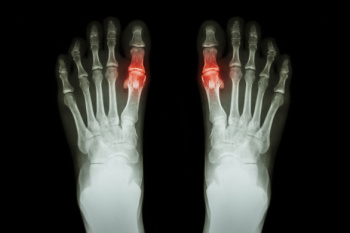
Gout is a common and acute form of inflammatory arthritis that often shows up first in the foot, especially the big toe. The toe may look red and shiny, and feel warm, sometimes with tight skin that appears stretched. It often feels like sudden burning pain, throbbing, and extreme tenderness, even to light touch or sheets. Symptoms can arrive quickly and flare at night. Causes include high uric acid levels, kidney issues, and diets high in purines, such as red meat, shellfish, and alcohol. A podiatrist can help from the start by confirming the diagnosis through history, imaging, and laboratory testing when needed. Treatment may begin with pain relief, anti-inflammatory care and footwear advice. It may then move into long-term management, lifestyle education, and coordination with medical providers. Early care can reduce damage and recurrence. If you are dealing with painful gout, it is suggested that you make an appointment with a podiatrist.
Gout is a foot condition that requires certain treatment and care. If you are seeking treatment, contact one of our podiatrists from South Jersey Foot & Ankle Institute. Our doctors will treat your foot and ankle needs.
What Is Gout?
Gout is a type of arthritis caused by a buildup of uric acid in the bloodstream. It often develops in the foot, especially the big toe area, although it can manifest in other parts of the body as well. Gout can make walking and standing very painful and is especially common in diabetics and the obese.
People typically get gout because of a poor diet. Genetic predisposition is also a factor. The children of parents who have had gout frequently have a chance of developing it themselves.
Gout can easily be identified by redness and inflammation of the big toe and the surrounding areas of the foot. Other symptoms include extreme fatigue, joint pain, and running high fevers. Sometimes corticosteroid drugs can be prescribed to treat gout, but the best way to combat this disease is to get more exercise and eat a better diet.
If you have any questions, please feel free to contact our office located in Mullica Hill, NJ . We offer the newest diagnostic and treatment technologies for all your foot care needs.
Plantar Fasciitis and Heel Pain
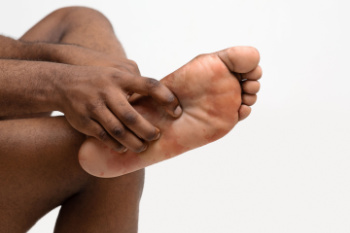
Heel pain often begins when the thick band of tissue along the bottom of the foot becomes overstressed. This tissue, termed the plantar fascia, supports the arch and helps absorb force with every step. Over time, repeated strain near the heel bone can lead to painful tears called plantar fasciitis, a degenerative condition rather than an inflammatory one. Pain is felt at the bottom or inner side of the heel and is sharp with the first steps after rest, then worsens again after long periods on the feet. Risk factors include flat feet, high arches, limited ankle motion, prolonged standing, running, and shoes with inadequate support, like frequent use of flip-flops. A podiatrist can evaluate foot structure, gait, and ankle flexibility to confirm the diagnosis and guide appropriate care, or, in persistent cases, suggest surgery. For help with foot problems, it is suggested that you consult a podiatrist for an exam and treatment.
Plantar fasciitis can be very painful and inconvenient. If you are experiencing heel pain or symptoms of plantar fasciitis, contact one of our podiatrists from South Jersey Foot & Ankle Institute. Our doctors can provide the care you need to keep you pain-free and on your feet.
What Is Plantar Fasciitis?
Plantar fasciitis is the inflammation of the thick band of tissue that runs along the bottom of your foot, known as the plantar fascia, and causes mild to severe heel pain.
What Causes Plantar Fasciitis?
- Excessive running
- Non-supportive shoes
- Overpronation
- Repeated stretching and tearing of the plantar fascia
How Can It Be Treated?
- Conservative measures – anti-inflammatories, ice packs, stretching exercises, physical therapy, orthotic devices
- Shockwave therapy – sound waves are sent to the affected area to facilitate healing and are usually used for chronic cases of plantar fasciitis
- Surgery – usually only used as a last resort when all else fails. The plantar fascia can be surgically detached from the heel
While very treatable, plantar fasciitis is definitely not something that should be ignored. Especially in severe cases, speaking to your doctor right away is highly recommended to avoid complications and severe heel pain. Your podiatrist can work with you to provide the appropriate treatment options tailored to your condition.
If you have any questions, please feel free to contact our office located in Mullica Hill, NJ . We offer the newest diagnostic and treatment technologies for all your foot care needs.
Let the Expert Treat Your Ingrown Toenails

Ingrown toenails can be painful and can make wearing shoes or walking uncomfortable. Seek professional help if you believe you've developed an ingrown toenail and be treated safely.
Fall Prevention Tips at Home
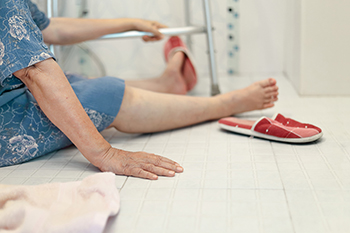
Falls at home are a common cause of injury, especially for older adults and individuals with balance concerns. Improving lighting throughout living spaces helps reduce shadows and makes obstacles easier to see. Removing trip hazards like loose rugs, cords, and clutter can significantly lower fall risk. Additionally, placing frequently used items within easy reach reduces the need for stretching or bending, while avoiding ladders limits the chance of losing balance. Wearing proper footwear and walking on stable surfaces also play an important role in safety. A podiatrist can help by evaluating foot health, balance, and gait, as well as recommending supportive shoes or custom orthotics to improve stability. If you have foot pain from falling, it is suggested that you consult a podiatrist who can treat various foot conditions, and can guide you on additional falls prevention tips.
Preventing falls among the elderly is very important. If you are older and have fallen or fear that you are prone to falling, consult with one of our podiatrists from South Jersey Foot & Ankle Institute. Our doctors will assess your condition and provide you with quality advice and care.
Every 11 seconds, an elderly American is being treated in an emergency room for a fall related injury. Falls are the leading cause of head and hip injuries for those 65 and older. Due to decreases in strength, balance, senses, and lack of awareness, elderly persons are very susceptible to falling. Thankfully, there are a number of things older persons can do to prevent falls.
How to Prevent Falls
Some effective methods that older persons can do to prevent falls include:
- Enrolling in strength and balance exercise program to increase balance and strength
- Periodically having your sight and hearing checked
- Discuss any medications you have with a doctor to see if it increases the risk of falling
- Clearing the house of falling hazards and installing devices like grab bars and railings
- Utilizing a walker or cane
- Wearing shoes that provide good support and cushioning
- Talking to family members about falling and increasing awareness
Falling can be a traumatic and embarrassing experience for elderly persons; this can make them less willing to leave the house, and less willing to talk to someone about their fears of falling. Doing such things, however, will increase the likelihood of tripping or losing one’s balance. Knowing the causes of falling and how to prevent them is the best way to mitigate the risk of serious injury.
If you have any questions, please feel free to contact our office located in Mullica Hill, NJ . We offer the newest diagnostic and treatment technologies for all your foot care needs.

