Blog
Items filtered by date: May 2026
Heel Pain From Plantar Fasciitis
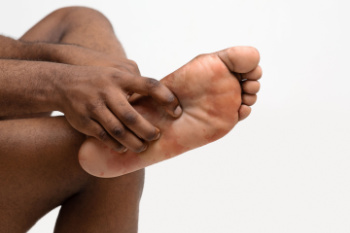
Pain from plantar fasciitis is a condition that commonly affects the bottom of the heel. It occurs when the plantar fascia, the thick band of tissue that supports the arch, becomes strained and develops small tears over time. This stress is often linked to repeated pressure from standing, walking, or running. Pain from plantar fasciitis is usually sharp and felt with the first steps in the morning or after periods of rest. It may improve with movement but return later in the day. Risk factors include flat feet, high arches, excess weight, and jobs that require spending long hours on the feet. A podiatrist can evaluate your foot structure, observe how you walk, and use imaging to confirm the cause of pain. Treatment options include custom orthotics, supportive devices, and targeted exercises to reduce strain and improve function. If you have heel pain, it is suggested that you schedule an appointment with a podiatrist for a diagnosis and appropriate treatment.
Plantar fasciitis can be very painful and inconvenient. If you are experiencing heel pain or symptoms of plantar fasciitis, contact one of our podiatrists from South Jersey Foot & Ankle Institute. Our doctors can provide the care you need to keep you pain-free and on your feet.
What Is Plantar Fasciitis?
Plantar fasciitis is the inflammation of the thick band of tissue that runs along the bottom of your foot, known as the plantar fascia, and causes mild to severe heel pain.
What Causes Plantar Fasciitis?
- Excessive running
- Non-supportive shoes
- Overpronation
- Repeated stretching and tearing of the plantar fascia
How Can It Be Treated?
- Conservative measures – anti-inflammatories, ice packs, stretching exercises, physical therapy, orthotic devices
- Shockwave therapy – sound waves are sent to the affected area to facilitate healing and are usually used for chronic cases of plantar fasciitis
- Surgery – usually only used as a last resort when all else fails. The plantar fascia can be surgically detached from the heel
While very treatable, plantar fasciitis is definitely not something that should be ignored. Especially in severe cases, speaking to your doctor right away is highly recommended to avoid complications and severe heel pain. Your podiatrist can work with you to provide the appropriate treatment options tailored to your condition.
If you have any questions, please feel free to contact our office located in Mullica Hill, NJ . We offer the newest diagnostic and treatment technologies for all your foot care needs.
Clubfoot and Early Care for Healthy Development
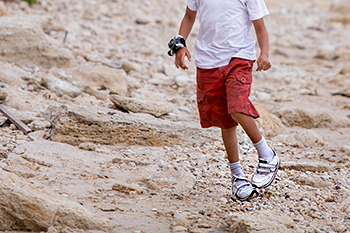
Clubfoot is a congenital foot deformity in which the foot is twisted inward and the toes point downward. It may affect one or both feet and is present at birth. This condition is often linked to genetic factors and differences in muscle and tendon development. Symptoms include a visible inward position of the foot, limited range of motion, and stiffness in the affected area. Early care is important to support proper alignment and function as a child grows. A podiatrist can assess the condition, guide treatment options, and monitor progress to improve mobility and comfort. With timely care, many children achieve strong and functional movement. If your child has been born with symptoms of clubfoot, it is strongly suggested that you promptly schedule a visit with a podiatrist to support healthy foot development.
Congenital foot problems require immediate attention to avoid future complications. If you have any concerns, contact one of our podiatrists of South Jersey Foot & Ankle Institute. Our doctors can provide the care you need to keep you pain-free and on your feet.
Congenital foot problems are deformities affecting the feet, toes, and/or ankles that children are born with. Some of these conditions have a genetic cause while others just happen. Some specific foot ailments that children may be born with include clubfeet, polydactyly/macrodactyly, and cleft foot. There are several other foot anomalies that can occur congenitally. What all of these conditions have in common is that a child may experience difficulty walking or performing everyday activities, as well as trouble finding footwear that fits their foot deformity. Some of these conditions are more serious than others. Consulting with a podiatrist as early as possible will help in properly diagnosing a child’s foot condition while getting the necessary treatment underway.
What are Causes of Congenital Foot Problem?
A congenital foot problem is one that happens to a child at birth. These conditions can be caused by a genetic predisposition, developmental or positional abnormalities during gestation, or with no known cause.
What are Symptoms of Congenital Foot Problems?
Symptoms vary by the congenital condition. Symptoms may consist of the following:
- Clubfoot, where tendons are shortened, bones are shaped differently, and the Achilles tendon is tight, causing the foot to point in and down. It is also possible for the soles of the feet to face each other.
- Polydactyly, which usually consists of a nubbin or small lump of tissue without a bone, a toe that is partially formed but has no joints, or an extra toe.
- Vertical talus, where the talus bone forms in the wrong position causing other bones in the foot to line up improperly, the front of the foot to point up, and the bottom of the foot to stiffen, with no arch, and to curve out.
- Tarsal coalition, when there is an abnormal connection of two or more bones in the foot leading to severe, rigid flatfoot.
- Cleft foot, where there are missing toes, a V-shaped cleft, and other anatomical differences.
- Macrodactyly, when the toes are abnormally large due to overgrowth of the underlying bone or soft tissue.
Treatment and Prevention
While there is nothing one can do to prevent congenital foot problems, raising awareness and receiving neonatal screenings are important. Early detection by taking your child to a podiatrist leads to the best outcome possible.
If you have any questions, please feel free to contact our office located in Mullica Hill, NJ . We offer the newest diagnostic and treatment technologies for all your foot care needs.
Swimming With Athlete's Foot
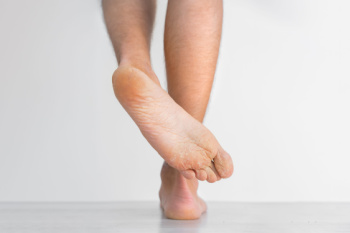
Athlete's foot is a common fungal infection that affects the skin on the feet, often appearing as red, itchy, peeling, or cracked areas between the toes. It is caused by fungi that thrive in warm, moist environments like locker rooms and around swimming pools. When you swim with athlete's foot, the condition can spread more easily to others and may worsen due to prolonged moisture. You might notice increased burning, itching, or scaling after time in the water. A podiatrist can confirm the diagnosis, rule out similar conditions, and prescribe targeted antifungal treatments such as topical creams or oral medications. They can also monitor healing and help prevent complications like secondary bacterial infections. Ignoring symptoms can lead to the spread across nails or other body areas over time. If you have persistent symptoms of athlete’s foot, it is suggested that you visit a podiatrist for appropriate treatment solutions.
Athlete’s Foot
Athlete’s foot is often an uncomfortable condition to experience. Thankfully, podiatrists specialize in treating athlete’s foot and offer the best treatment options. If you have any questions about athlete’s foot, consult with one of our podiatrists from South Jersey Foot & Ankle Institute. Our doctors will assess your condition and provide you with quality treatment.
What Is Athlete’s Foot?
Tinea pedis, more commonly known as athlete’s foot, is a non-serious and common fungal infection of the foot. Athlete’s foot is contagious and can be contracted by touching someone who has it or infected surfaces. The most common places contaminated by it are public showers, locker rooms, and swimming pools. Once contracted, it grows on feet that are left inside moist, dark, and warm shoes and socks.
Prevention
The most effective ways to prevent athlete’s foot include:
- Thoroughly washing and drying feet
- Avoid going barefoot in locker rooms and public showers
- Using shower shoes in public showers
- Wearing socks that allow the feet to breathe
- Changing socks and shoes frequently if you sweat a lot
Symptoms
Athlete’s foot initially occurs as a rash between the toes. However, if left undiagnosed, it can spread to the sides and bottom of the feet, toenails, and if touched by hand, the hands themselves. Symptoms include:
- Redness
- Burning
- Itching
- Scaly and peeling skin
Diagnosis and Treatment
Diagnosis is quick and easy. Skin samples will be taken and either viewed under a microscope or sent to a lab for testing. Sometimes, a podiatrist can diagnose it based on simply looking at it. Once confirmed, treatment options include oral and topical antifungal medications.
If you have any questions, please feel free to contact our office located in Mullica Hill, NJ . We offer the newest diagnostic and treatment technologies for all your foot care needs.
Do You Suffer From Painful Feet?
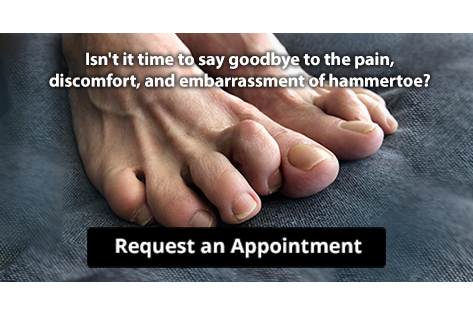
Painful deformities, such as hammertoes, can be treated. Stop living with foot pain, and have beautiful feet again!
Why Feet and Ankles Swell
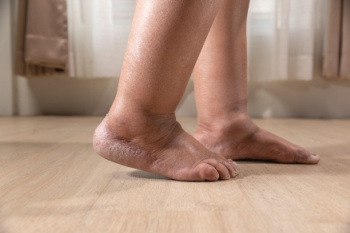
Swollen feet and ankles, also known as edema, occur when fluid builds up in the tissues, causing puffiness and discomfort. This can happen from everyday lifestyle factors such as sitting or standing for long periods, especially during travel, which slows circulation. A high salt diet may also lead to fluid retention. Swelling also can be linked to medical conditions that affect blood flow or fluid balance. Symptoms may include tightness, heaviness, and visible swelling around the feet and ankles. Risk factors include inactivity, poor circulation, and certain health concerns. A podiatrist can evaluate the cause, recommend supportive care, and suggest ways to improve circulation. If your feet and ankles are swollen for most of the day, it is suggested that you consult a podiatrist who can offer effective relief and management tips.
Swollen feet can be a sign of an underlying condition. If you have any concerns, contact one of our podiatrists of South Jersey Foot & Ankle Institute. Our doctors can provide the care you need to keep you pain-free and on your feet.
Swollen feet are a common ailment among pregnant women and people who stand or sit for extended periods. Aging may increase the possibility of swollen feet and patients who are obese often notice when their feet are swelling too. There may be medical reasons why swollen feet occur:
- Phlebitis - A condition that causes the veins to become inflamed and can also cause leg pain.
- Liver disease - This may lead to low blood levels of albumin which is a protein. This can cause fluid in the blood to pass into the tissues and several areas of the body can become swollen.
- Heart failure - When the heart doesn’t pump properly the blood that is normally pumped back to the heart can pool in the veins of the legs causing swollen feet.
- Kidney disease - One of the main functions of the kidneys is releasing excess fluid in the body. This type of condition can make it difficult for the kidneys to function properly, and as a result the feet may become swollen.
- Deep-vein thrombosis (DVT)- This is a serious condition where blood clots form in the veins of the legs. They can block the return of blood from the legs to the heart which may cause the feet to swell. It is important to be treated by a podiatrist if this condition is present.
Swollen feet can also be caused by bone and tendon conditions, including fractures, arthritis, and tendinitis. Additionally, there may be skin and toenail conditions and an infection may cause the feet to swell. Patients who take medicine to treat high blood pressure may be prone to getting swollen feet.
Many patients elevate their feet to help relieve the swelling and this is generally a temporary remedy. When a podiatrist is consulted the reason behind the swelling can be uncovered and subsequently treated.
If you have any questions please contact our office located in Mullica Hill, NJ . We offer the newest diagnostic and treatment technologies for all your foot and ankle needs.

