Blog
Items filtered by date: June 2026
How Weight Affects Diabetic Foot Health
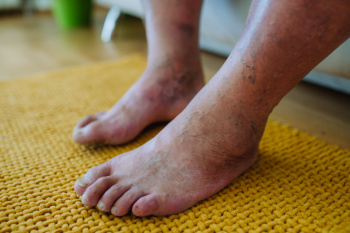
Excess weight can have a significant effect on foot health, especially for people living with diabetes. Added weight increases pressure on the bones, joints, and soft tissues. This can lead to pain in the heels, arches, and ankles. Diabetes can make these problems more serious because it affects blood flow and nerve function. Nerve damage, called neuropathy, reduces feeling in the feet and can make it difficult to notice injuries. Poor circulation slows healing and increases the risk of complications. Together, excess weight and diabetes create conditions that place the feet under greater strain and increase the likelihood of ongoing foot problems.
Overweight diabetics face a higher risk of foot ulcers. These are open sores that develop when skin and tissue break down. Increased pressure on certain areas of the foot can lead to skin damage. Reduced feeling caused by neuropathy can prevent a person from noticing early warning signs. Foot deformities, joint pain, and arthritis also occur more frequently in people who have diabetes and are overweight. Arthritis, which causes joint inflammation and discomfort, can make standing difficult and cause pain when walking. A podiatrist can evaluate pressure points, identify developing problems and create a treatment plan designed to protect the feet and reduce complications.
Weight changes can also affect foot function in diabetics. While reducing body weight can lessen stress on the feet, diabetes-related damage to nerves and blood vessels can remain present. Because of this, continued foot monitoring is important. A podiatrist can examine the feet for changes in skin condition, circulation, and foot structure. Regular evaluations can help identify ulcers, deformities, and areas of excessive pressure before they become more serious. Professional care plays an important role in helping diabetics maintain mobility and protect long-term foot health. If you have diabetes and have developed foot pain related to excess weight, it is suggested that you are under the care of a podiatrist who can help you to manage this serious condition.
Diabetic foot care is important in preventing foot ailments such as ulcers. If you are suffering from diabetes or have any other concerns about your feet, contact one of our podiatrists from South Jersey Foot & Ankle Institute. Our doctors can provide the care you need to keep you pain-free and on your feet.
Diabetic Foot Care
Diabetes affects millions of people every year. The condition can damage blood vessels in many parts of the body, especially the feet. Because of this, taking care of your feet is essential if you have diabetes, and having a podiatrist help monitor your foot health is highly recommended.
The Importance of Caring for Your Feet
- Routinely inspect your feet for bruises or sores.
- Wear socks that fit your feet comfortably.
- Wear comfortable shoes that provide adequate support.
Patients with diabetes should have their doctor monitor their blood levels, as blood sugar levels play such a huge role in diabetic care. Monitoring these levels on a regular basis is highly advised.
It is always best to inform your healthcare professional of any concerns you may have regarding your feet, especially for diabetic patients. Early treatment and routine foot examinations are keys to maintaining proper health, especially because severe complications can arise if proper treatment is not applied.
If you have any questions, please feel free to contact our office located in Mullica Hill, NJ . We offer the newest diagnostic and treatment technologies for all your foot care needs.
Causes and Stages of an Ingrown Toenail
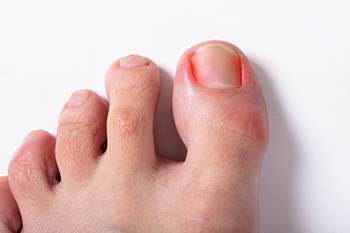
Ingrown toenails develop when the edge of the nail grows into the surrounding skin. This problem usually affects the big toe and can become painful while walking or wearing shoes. Common causes include trimming the nails too short, rounding the corners, and wearing tight-fitting shoes. Sweaty feet and injuries to the toes can also increase the risk. An ingrown toenail usually begins in Stage 1, which includes redness, swelling, and tenderness along the nail edge. Stage 2 develops when the skin becomes more irritated and starts to drain fluid or pus. The area can also become warm and more painful. Stage 3 is more serious and includes ongoing swelling, thickened skin, and signs of infection around the nail. A podiatrist can treat ingrown toenails with proper nail care, pressure relief, and other treatment methods that help the nail grow correctly again. If you have pain from an ingrown toenail, it is suggested that you make an appointment with a podiatrist for an exam and treatment options.
Ingrown toenails may initially present themselves as a minor discomfort, but they may progress into an infection in the skin without proper treatment. For more information about ingrown toenails, contact one of our podiatrists of South Jersey Foot & Ankle Institute. Our doctors can provide the care you need to keep you pain-free and on your feet.
Ingrown Toenails
Ingrown toenails are caused when the corner or side of a toenail grows into the soft flesh surrounding it. They often result in redness, swelling, pain, and in some cases, infection. This condition typically affects the big toe and may recur if it is not treated properly.
Causes
- Improper toenail trimming
- Genetics
- Improper shoe fitting
- Injury from pedicures or nail picking
- Abnormal gait
- Poor hygiene
You are more likely to develop an ingrown toenail if you are obese, have diabetes, arthritis, or have any fungal infection in your nails. Additionally, people who have foot or toe deformities are at a higher risk of developing an ingrown toenail.
Symptoms
Some symptoms of ingrown toenails are redness, swelling, and pain. In rare cases, there may be a yellowish drainage coming from the nail.
Treatment
Ignoring an ingrown toenail can have serious complications. Infections of the nail border can progress to a deeper soft-tissue infection, which can then turn into a bone infection. You should always speak with your podiatrist if you suspect you have an ingrown toenail, especially if you have diabetes or poor circulation.
If you have any questions, please feel free to contact our office located in Mullica Hill, NJ . We offer the newest diagnostic and treatment technologies for all your foot care needs.
Understanding Bunions and Their Causes
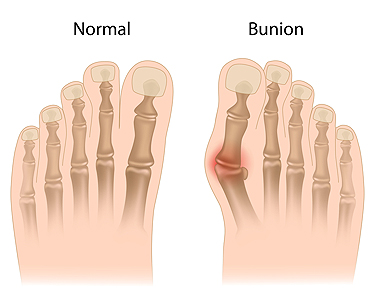
A bunion is a foot condition where the big toe gradually shifts inward while the joint at its base becomes enlarged and prominent. It often appears as a visible bump on the side of the foot, which may become red, swollen, and painful over time. The condition develops slowly due to pressure and imbalance in the foot structure, often influenced by genetics, wearing improper footwear, or abnormal walking patterns. Symptoms can include aching pain, stiffness, and difficulty wearing certain shoes comfortably. Risk factors include wearing tight or narrow shoes, family history of bunions, flat feet, and prolonged standing. As the condition progresses, the deformity may become more noticeable and discomfort may increase. A podiatrist can evaluate the severity, monitor progression, and offer treatment options to reduce pain and improve alignment. If you have developed a bunion, it is suggested that you consult a podiatrist who can offer effective relief and management solutions. It is strongly suggested that if you have a bunion, you visit a podiatrist.
If you are suffering from bunions, contact one of our podiatrists of South Jersey Foot & Ankle Institute. Our doctors can provide the care you need to keep you pain-free and on your feet.
What Is a Bunion?
A bunion is formed of swollen tissue or an enlargement of boney growth, usually located at the base joint of the toe that connects to the foot. The swelling occurs due to the bones in the big toe shifting inward, which impacts the other toes of the foot. This causes the area around the base of the big toe to become inflamed and painful.
Why Do Bunions Form?
Genetics – Susceptibility to bunions are often hereditary
Stress on the feet – Poorly fitted and uncomfortable footwear that places stress on feet, such as heels, can worsen existing bunions
How Are Bunions Diagnosed?
Podiatrists often perform two tests – blood tests and x-rays – when trying to diagnose bunions, especially in the early stages of development. Blood tests help determine if the foot pain is being caused by something else, such as arthritis, while x-rays provide a clear picture of your bone structure to your provider.
How Are Bunions Treated?
- Refrain from wearing heels or similar shoes that cause discomfort
- Select wider shoes that can provide more comfort and reduce pain
- Anti-inflammatory and pain management drugs
- Orthotics or foot inserts
- Surgery
If you have any questions, please feel free to contact our office located in Mullica Hill, NJ . We offer the newest diagnostic and treatment technologies for all your foot care needs.
Gout Pain Can Be Managed

Gout is a painful, inflammatory form of arthritis. Those affected will typically feel an intense stiffness in the joints of their feet, particularly in the big toe. Schedule a visit to learn about how gout can be managed and treated.
Preventing Falls With Exercises

Falls are a common concern for older adults and others with balance problems. But specific exercises can help improve stability and lower the risk of injury. Simple movements such as heel raises, side-stepping, and standing on one foot help strengthen muscles in the feet, ankles, and legs. These exercises also improve coordination and body awareness while walking. Balance exercises are often done near a sturdy chair or counter for support. Regular movement helps people feel more confident while standing, climbing stairs, and changing direction. A podiatrist can examine the feet and ankles to determine whether weakness, nerve damage, or foot pain is affecting balance. Treatment includes custom orthotics, supportive footwear recommendations, and exercises designed to improve stability and reduce fall risk. If you have balance problems or have injured your foot or ankle from falling, it is suggested that you schedule an appointment with a podiatrist.
Preventing falls among the elderly is very important. If you are older and have fallen or fear that you are prone to falling, consult with one of our podiatrists from South Jersey Foot & Ankle Institute. Our doctors will assess your condition and provide you with quality advice and care.
Every 11 seconds, an elderly American is being treated in an emergency room for a fall related injury. Falls are the leading cause of head and hip injuries for those 65 and older. Due to decreases in strength, balance, senses, and lack of awareness, elderly persons are very susceptible to falling. Thankfully, there are a number of things older persons can do to prevent falls.
How to Prevent Falls
Some effective methods that older persons can do to prevent falls include:
- Enrolling in strength and balance exercise program to increase balance and strength
- Periodically having your sight and hearing checked
- Discuss any medications you have with a doctor to see if it increases the risk of falling
- Clearing the house of falling hazards and installing devices like grab bars and railings
- Utilizing a walker or cane
- Wearing shoes that provide good support and cushioning
- Talking to family members about falling and increasing awareness
Falling can be a traumatic and embarrassing experience for elderly persons; this can make them less willing to leave the house, and less willing to talk to someone about their fears of falling. Doing such things, however, will increase the likelihood of tripping or losing one’s balance. Knowing the causes of falling and how to prevent them is the best way to mitigate the risk of serious injury.
If you have any questions, please feel free to contact our office located in Mullica Hill, NJ . We offer the newest diagnostic and treatment technologies for all your foot care needs.
When Toes Begin to Curl
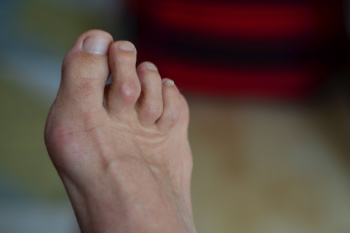
Claw toe is a deformity in which the toes bend upward at the joint near the foot and downward at the smaller toe joints, creating a claw-like appearance. This condition often affects the smaller toes, and may develop gradually. Patients commonly experience pain, stiffness, calluses, and irritation caused by the toes rubbing against shoes. The toes may become difficult to straighten, and walking can feel uncomfortable because of pressure on the ball of the foot and the tops of the toes. Claw toe may be linked to muscle imbalance, nerve damage, or footwear that crowds the toes. In the early stages, the toes may still be flexible, but the deformity can become more rigid if left untreated. A podiatrist can evaluate the severity of the condition, and determine how it is affecting foot function and balance. Treatment may include wearing wider footwear, padding, targeted exercises, or surgery, in more advanced cases. If you have claw toe deformities, it is suggested that you schedule an appointment with a podiatrist for effective relief and management tips.
Toe pain can disrupt your daily activities. If you have any concerns, contact one of our podiatrists of South Jersey Foot & Ankle Institute. Our doctors can provide the care you need to keep you pain-free and on your feet.
What Causes Toe Pain?
Most severe toe pain is caused due to a sports injury, trauma from dropping something heavy on the toe, or bumping into something rigid. Other problems can develop over time for various reasons.
Toe pain can be caused by one or more ailments. The most common include:
- Trauma
- Sports injury
- Wearing shoes that are too tight
- Arthritis
- Gout
- Corns and calluses
- Hammertoe
- Bunions
- Blisters
- Ingrown toenails
- Sprains
- Fractures (broken bones)
- Dislocations
When to See a Podiatrist
- Severe pain
- Persistent pain that lasts more than a week
- Signs of infection
- Continued swelling
- Pain that prevents walking
Diagnosis
In many cases the cause of toe pain is obvious, but in others, a podiatrist may want to use more advanced methods to determine the problem. These can range from simple visual inspections and sensation tests to X-rays and MRI scans. Prior medical history, family medical history, and any recent physical traumatic events will all be taken into consideration for a proper diagnosis.
Treatment
Treatments for toe pain and injuries vary and may include shoe inserts, padding, taping, medicines, injections, and in some cases, surgery. If you believe that you have broken a toe, please see a podiatrist as soon as possible.
If you have any questions please contact our office located in Mullica Hill, NJ . We offer the newest diagnostic and treatment technologies for all your foot and ankle needs.

