Blog
Items filtered by date: July 2026
Understanding Athlete's Foot and Treatment Options
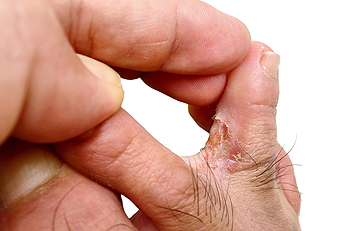
Athlete's foot is a fungal infection that affects the skin of the feet and can spread when left untreated. Fungi are tiny living organisms that grow well in warm, moist environments. The infection frequently begins between the toes, but it can also affect the soles, sides, or heels of the feet. Patients often notice itching, burning, or peeling skin. Redness and cracking can also develop, making walking uncomfortable. In more severe cases, blisters or painful skin splits can appear. Because several skin conditions produce similar symptoms, a podiatrist can perform a thorough examination to determine whether a fungal infection is causing the problem and recommend the most appropriate treatment.
Athlete's foot spreads through direct contact with infected skin or contaminated surfaces. Places like locker rooms, public showers, and swimming pool areas increase the chance of exposure. The infection also spreads through shared towels, socks, or shoes. Wearing shoes for long periods can create a warm, damp environment that encourages fungal growth. Patients with diabetes or weakened immune systems can have a greater risk of developing more severe infections. A podiatrist can identify the specific type of fungal infection and determine whether it has spread to the toenails or other areas of the foot.
Treatment depends on the severity of the infection and how much skin is involved. A podiatrist can prescribe antifungal medications that target the fungus and help clear the infection. Patients with more extensive infections sometimes require oral medication to improve treatment results. A podiatrist also evaluates the feet for skin damage, nail involvement, and signs of a bacterial infection that can develop when cracked skin allows bacteria to enter. Early diagnosis and podiatric l treatment can improve comfort, reduce the chance of recurring infections, and help protect long-term foot health. If you have symptoms of athlete's foot, it is suggested that you schedule an appointment with a podiatrist for effective relief and treatment solutions.
Athlete’s foot is an inconvenient condition that can be easily reduced with the proper treatment. If you have any concerns about your feet and ankles, contact one of our podiatrists from South Jersey Foot & Ankle Institute. Our doctors will treat your foot and ankle needs.
Athlete’s Foot: The Sole Story
Athlete's foot, also known as tinea pedis, can be an extremely contagious foot infection. It is commonly contracted in public changing areas and bathrooms, dormitory style living quarters, around locker rooms and public swimming pools, or anywhere your feet often come into contact with other people.
Solutions to Combat Athlete’s Foot
- Hydrate your feet by using lotion
- Exfoliate
- Buff off nails
- Use of anti-fungal products
- Examine your feet and visit your doctor if any suspicious blisters or cuts develop
Athlete’s foot can cause many irritating symptoms such as dry and flaking skin, itching, and redness. Some more severe symptoms can include bleeding and cracked skin, intense itching and burning, and even pain when walking. In the worst cases, Athlete’s foot can cause blistering as well. Speak to your podiatrist for a better understanding of the different causes of Athlete’s foot, as well as help in determining which treatment options are best for you.
If you have any questions please feel free to contact our office located in Mullica Hill, NJ . We offer the newest diagnostic and treatment technologies for all your foot and ankle needs.
How Safe Is Running During Pregnancy?

Pregnancy brings many changes to the body, but many women can continue running when their obstetrician says it is safe. As the baby grows, extra body weight and shifting balance place more stress on the feet, ankles, and lower legs. Hormones also loosen the body's ligaments, which are strong bands of tissue that support joints. This natural change helps prepare the body for childbirth, but it can reduce foot stability while running. Some women notice sore arches, heel pain, or ankle discomfort. Others develop swelling that changes how their shoes fit. Running in shoes that provide good support and enough room for the feet becomes even more important as pregnancy progresses. Paying attention to new pain helps prevent small problems from becoming more serious.
A podiatrist can evaluate changes in foot structure and walking or running patterns that develop during pregnancy. The examination includes checking foot alignment, ankle stability, and areas of excess pressure. A podiatrist also looks for conditions like plantar fasciitis, tendon irritation, and stress on the joints caused by changing body weight. Custom orthotics can improve foot support and help distribute pressure more evenly. Shoe recommendations based on foot shape and running style also help improve comfort. Regular foot evaluations allow problems to be identified before they interfere with daily activities or exercise. Prompt care also reduces the chance that pain will limit healthy movement throughout pregnancy.
Running goals often change while pregnant, and comfort becomes more important than speed or distance. Many women find that adjusting their routine allows them to remain active while protecting their feet and ankles. A podiatrist works with the patient's obstetric care team to address foot concerns that develop throughout pregnancy. Professional care helps runners stay as comfortable and active as possible while protecting foot health. If you have foot pain after running while pregnant, it is suggested that you schedule an appointment with a podiatrist for a diagnosis and appropriate treatment.
Pregnant women with swollen feet can be treated with a variety of different methods that are readily available. For more information about other cures for swollen feet during pregnancy, consult with one of our podiatrists from South Jersey Foot & Ankle Institute. Our doctors will attend to all of your foot and ankle needs.
What Foot Problems Can Arise During Pregnancy?
One problem that can occur is overpronation, which occurs when the arch of the foot flattens and tends to roll inward. This can cause pain and discomfort in your heels while you’re walking or even just standing up, trying to support your baby.
Another problem is edema, or swelling in the extremities. This often affects the feet during pregnancy but tends to occur in the later stages.
How Can I Keep My Feet Healthy During Pregnancy?
- Wearing orthotics can provide extra support for the feet and help distribute weight evenly
- Minimize the amount of time spent walking barefoot
- Wear shoes with good arch support
- Wear shoes that allow for good circulation to the feet
- Elevate feet if you experience swelling
- Massage your feet
- Get regular, light exercise, such as walking, to promote blood circulation to the feet
If you have any questions, please feel free to contact our office located in Mullica Hill, NJ . We offer the newest diagnostic and treatment technologies for all your foot care needs.
Causes of Plantar Warts and How They Are Treated
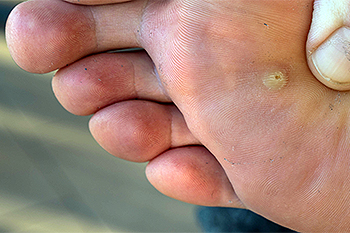
Plantar warts are small skin growths that develop on the bottom of the foot. They are caused by the human papillomavirus, or HPV, which enters the skin through tiny cuts or weak areas. Unlike a callus, which develops from pressure and friction, a plantar wart is caused by a viral infection. These warts frequently appear on weight-bearing parts of the foot, making them uncomfortable while standing or walking. A plantar wart has a rough surface and sometimes contains tiny dark spots. These spots are small blood vessels inside the wart. Some people develop a single wart, while others develop several warts grouped together.
The symptoms of plantar warts vary depending on their size and location. Many people experience pain, tenderness, and a feeling that something is stuck beneath the foot. The wart can become flattened because of pressure from standing and walking. The surrounding skin sometimes becomes thick and firm. Pain can increase when walking long distances or standing for extended periods of time. Because plantar warts can resemble corns, calluses, and other skin conditions, an accurate diagnosis is important. A podiatrist can examine the affected area and determine whether the growth is a plantar wart or another foot problem requiring different treatment.
A podiatrist has several ways to treat plantar warts and reduce discomfort. Treatment depends on the size, depth, and location of the wart. Professional care includes freezing the wart, removing damaged tissue, or using medications that target the infected skin. Some warts require more than one treatment session before they are completely removed. A podiatrist can also monitor the area to make sure the wart is responding properly to treatment. Early care can help relieve pain and prevent the wart from becoming larger or spreading to nearby skin. If you have plantar warts, it is suggested that you schedule an appointment with a podiatrist for effective relief and treatment options.
Plantar warts can be very uncomfortable. If you need your feet checked, contact one of our podiatrists from South Jersey Foot & Ankle Institute. Our doctors will assist you with all of your foot and ankle needs.
About Plantar Warts
Plantar warts are the result of HPV, or human papillomavirus, getting into open wounds on the feet. They are mostly found on the heels or balls of the feet.
While plantar warts are generally harmless, those experiencing excessive pain or those suffering from diabetes or a compromised immune system require immediate medical care. Plantar warts are easily diagnosed, usually through scraping off a bit of rough skin or by getting a biopsy.
Symptoms
- Lesions on the bottom of your feet, usually rough and grainy
- Hard or thick callused spots
- Wart seeds, which are small clotted blood vessels that look like little black spots
- Pain, discomfort, or tenderness of your feet when walking or standing
Treatment
- Freezing
- Electric tool removal
- Laser Treatment
- Topical Creams (prescription only)
- Over-the-counter medications
To help prevent developing plantar warts, avoid walking barefoot over abrasive surfaces that can cause cuts or wounds for HPV to get into. Avoiding direct contact with other warts, as well as not picking or rubbing existing warts, can help prevent the further spread of plantar warts. However, if you think you have developed plantar warts, speak to your podiatrist. He or she can diagnose the warts on your feet and recommend the appropriate treatment options.
If you have any questions, please feel free to contact our office located in Mullica Hill, NJ . We offer the newest diagnostic and treatment technologies for all your foot care needs.
Stop Your Toenail Fungus
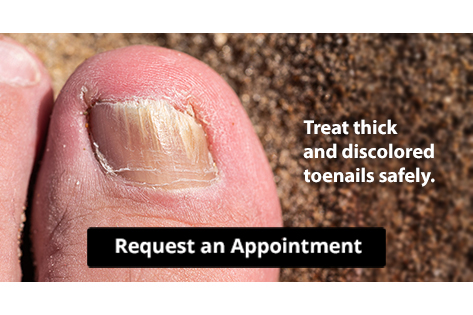
Have you noticed discoloration of your toenails? Have they become thickened or brittle? If so, you may be experiencing symptoms of a fungal nail infection. For some, having a fungal nail can be embarrassing. Overcome your embarrassment, and get treated.
Reasons Cracked Heels Develop
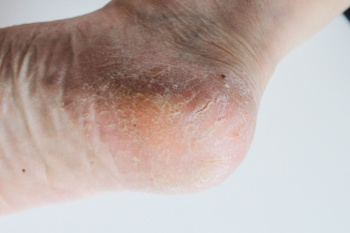
Cracked heels are splits in the heel that develop when dry or thickened skin loses flexibility. This condition can cause discomfort, and, in more severe cases, pain with walking. Common causes include wearing open back footwear, aging skin that loses moisture, and weight gain that increases pressure on the heels, in addition to vitamin deficiency, and long periods of standing. Symptoms may include dry, rough skin, flaking, and visible cracks that can deepen over time. Risk factors include poor foot care and lack of proper hydration for the skin. A podiatrist can safely treat cracked heels and recommend moisturizing and protective solutions. If your cracked heels are painful or worsening, it is suggested that you consult a podiatrist who can offer effective relief and treatment solutions, which may include prescribed medication.
If the skin on your feet starts to crack, you may want to see a podiatrist to find treatment. If you have any concerns, contact one of our podiatrists from South Jersey Foot & Ankle Institute. Our doctors can provide the care you need to keep you pain-free and on your feet.
Cracked Heels
It is important to moisturize your cracked heels in order to prevent pain, bleeding, and infection. The reason cracked heels form is because the skin on the foot is too dry to support the immense pressure placed on them. When the foot expands, the dry skin on the foot begins to split.
Ways to Help Heal Them
- Invest in a good foot cream
- Try Using Petroleum Jelly
- Ease up on Soaps
- Drink Plenty of Water
Ways to Prevent Cracked Heels
- Moisturize After Showering
- Skip a Shower
- Keep Shower Water Lukewarm
- Don’t Scrub Your Feet
If you are unsure how to proceed in treating cracked heels, seek guidance from a podiatrist. Your doctor will help you with any questions or information you may need.
If you have any questions, please feel free to contact our office located in Mullica Hill, NJ . We offer the newest diagnostic and treatment technologies for all your foot care needs.

